• Programme & Tickets
  • Magazine
  1. Magazine

#essay Michael Struck-Schloen

Beethoven – music history’s Ultra

    • #Beethoven
    • #Music worlds
    • #read
Link was copied to your clipboard
© BOROS

This year’s festival celebrates extremes in the present day. In this, is very close to its namesake, Ludwig van Beethoven.

Hyper, mega, ultra! The language of advertising and influencer culture has dulled our perception of what it truly means to cross boundaries — because that’s the original Latin meaning of »ultra«: »beyond«. Ultras move beyond familiar or established boundaries, calling them into question and prompting discussion. Ultras are therefore often perceived as dangerous because, at best, they challenge »good taste« and, at worst, they challenge the social order.

If anyone in the history of music is considered an Ultra, it is Ludwig van Beethoven. His reputation as an uncouth brawler who did not mince his words, even in fine salons, and his abhorrence of artistic mediocrity, contributed to this. While his status as a revolutionary of music may have been somewhat exaggerated, his outstanding position remains unquestioned. After all, he and his music raise questions that are still relevant today. How should I behave within the tension between social rules and individual self-determination? Should art oppose war and tyranny? And how far can it transgress established norms without losing the favour of its patrons?

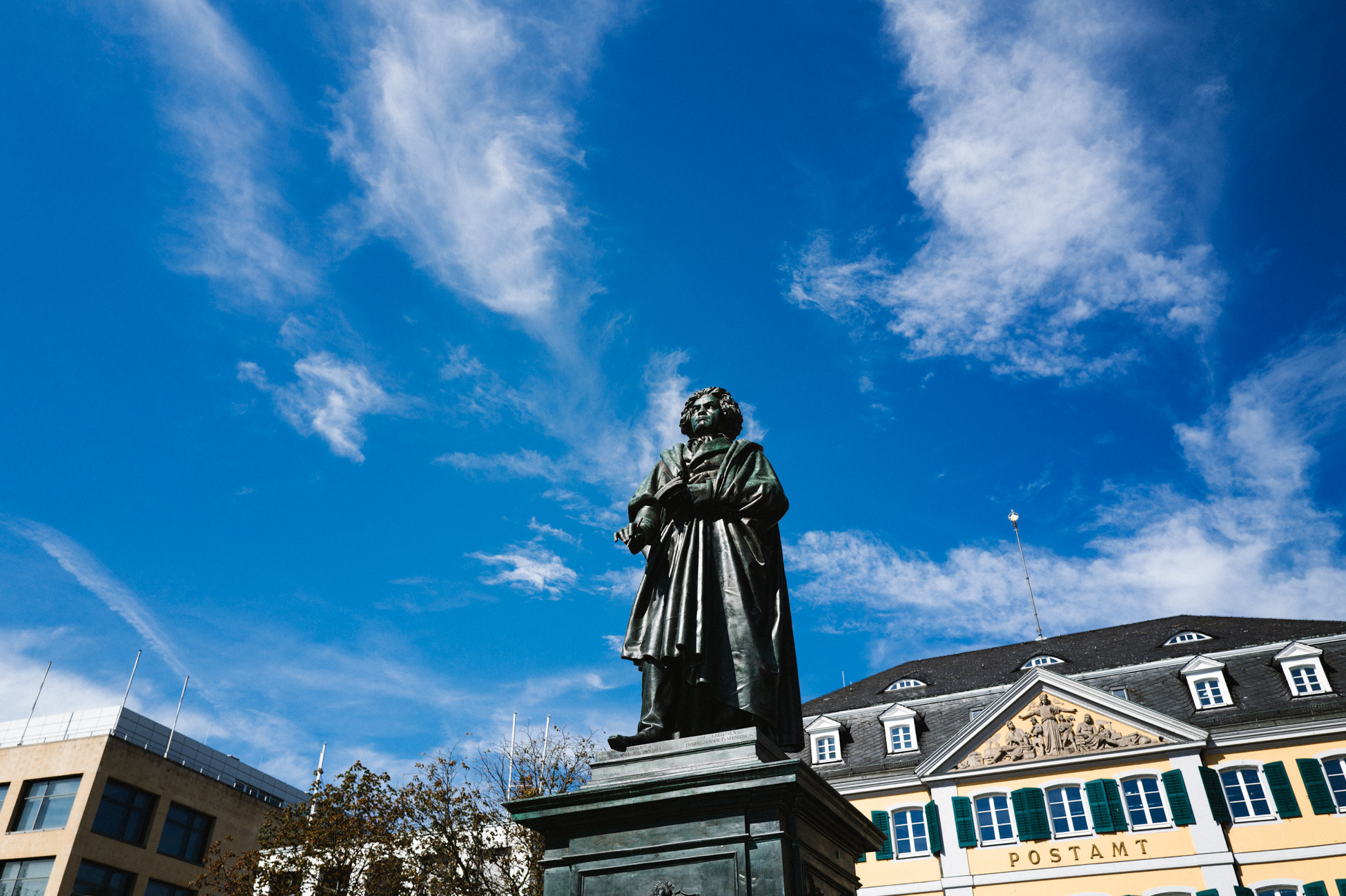
Beethoven statue on Münsterplatz at the open air of Beethovenfest 2024 © Michael Proeck

Although Beethoven undoubtedly came to terms with the elite of his time, he remained a non-conformist. Above all, it was in his music that he expressed his individuality — and sometimes even emphasised it.

Consider the monumental collection of 32 piano sonatas, which will be performed in full by the world-class Bonn pianist Fabian Müller at four different venues during this year’s Beethovenfest. While an early work such as the C major Sonata op. 2 No. 3 still adheres to the tradition of his teacher, Joseph Haydn, the Fantasy Sonata in C sharp minor sees Beethoven picking up on the trends of his time. Here, he overturns the standard scheme, strikingly introducing a new romantic musical sensibility with the famous »Moonlight« movement. In the late »Hammerklavier« Sonata op. 106, the composer paid no attention to his listeners’ receptiveness or the capabilities of pianists and pianos of the time. 

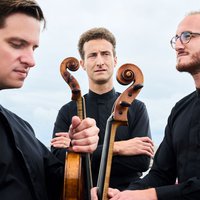
Beethoven’s string quartets exhibit similar tendencies towards radicalisation. Even the three quartets op. 59 were no longer accessible to amateur musicians in Viennese musical life. At Beethovenfest, the Brooklyn Rider string quartet from New York will explore the future potential of this music alongside current pieces by jazz musician Matana Roberts and singer-songwriter Gabriel Kahane. With his last quartets, of which the young and award-winning Javus Quartet will play op. 132 at the festival, the extremist Beethoven drove the critics to complete despair – with his use of unfamiliar tonal colours, uncomfortable passages, abrupt changes of mood, and passages that were almost impossible to play. During the premières, Beethoven's friend Ignaz Schuppanzigh and his quartet colleagues played their fingers to the bone. However, by that time, the composer was no longer interested in what was feasible, only what was conceivable.

© Daniel Dittus

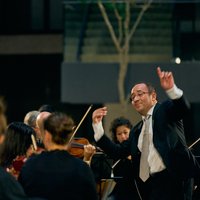
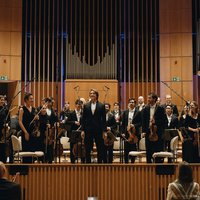
Beethoven was one of the first freelance musicians to have to make a living without a well-paid position at court or in the church. It is all the more astonishing, therefore, that he threw the previous rules of musical composition overboard, particularly after realising his inexorable hearing loss. His symphonies, in particular, which at Beethovenfest will be performed with explosive power by large orchestras such as the Budapest Festival Orchestra, but also in distinctive chamber arrangements in the »Symphonie en miniature« series, were considered too radical by many of his contemporaries. Today, the world of music is more diverse and open, and many a revolution has introduced new sounds. However, while the music of many avantgardists from years gone by now seems surprisingly outdated, Beethoven’s music still provides powerful answers to eternal questions.

More Beethoven highlights

Sat. 30.8.2025
  • 19:30, Opera Bonn

    Chamber Orchestra of Europe

    Orchestra, Vocal

    Golda Schultz, Robin Ticciati

    Bernstein, Beethoven, Strawinsky

Thu. 4.9.2025
  • 19:30, University of Bonn, Aula

    Ensemble Resonanz: Constructing Nature

    Orchestra, Piano

    Ellen Ugelvik, Riccardo Minasi, Evelina Dembacke

    Beethoven, Tjøgersen

Tue. 23.9.2025
  • 19:30, University of Bonn, Aula

    The Trinity Sinfonia

    Orchestra

    Fabian Müller

    Beethoven

Thu. 25.9.2025
  • 19:30, Beethoven-Haus Bonn

    Busch Trio: Tchaikovsky

    Chamber Music

    Beethoven, Walker, Tschaikowsky

Fri. 26.9.2025
  • 19:30, Opera Bonn

    Colin Currie & Scottish Chamber Orchestra

    Orchestra

    Maxim Emelyanychev

    Beethoven, MacMillan

  • 20:00, Haus der Springmaus

    Beethoven: Cabaret

    Dance, Performance & Music Theatre

    Andreas Etienne, Christoph Scheeben, Lisa Schumann

Article by Michael Struck-Schloen
Ticket Hotline +49 228 2010344 Mon, Wed–Fri, 10:00–14:00
Subscribe to Newsletter
  • Barrier-free access
  • Contact
  • Press
  • Newsletter
  • Team
  • Jobs
  • Calls for Submissions
  • Festival archive
  • CO₂-Compensation
  • Imprint, terms & conditions, privacy
  • Declaration of compliance
  • Prize draw
  • Cookie settings
  • Deutsche Post DHL Group
  • Telekom
  • Sparkasse KölnBonn
  • Deutsch Welle
  • Stadt City Ville Bonn