• Magazine
  1. Magazine

150 years Konrad Adenauer

Konrad Adenauer and music

    • #read
    • #Bonn
Link was copied to your clipboard
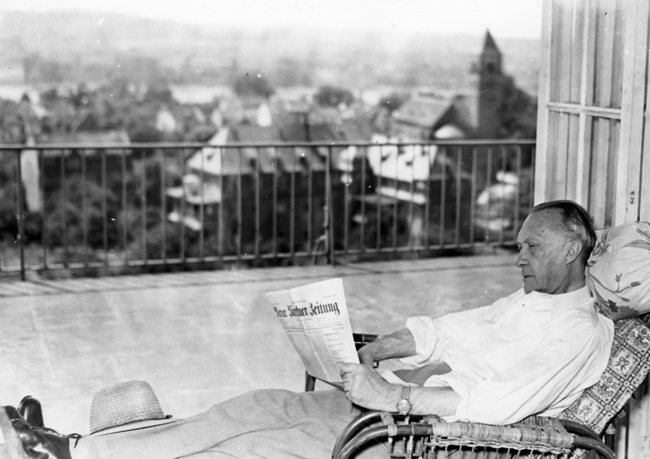
A person sits on a balcony reading a newspaper. In the background, a landscape with buildings is visible.
Konrad Adenauer in seinem Haus in Rhöndorf, 1949 © Bundesregierung/o. Ang.

In 2026, Konrad Adenauer, the first Federal Chancellor, would have turned 150. He spent the last 30 years of his life in Bad Honnef-Rhöndorf, just under 20 km south of Bonn. This September, Beethovenfest will fill the estate with music – an opportunity for Claudia Waibel of the Stiftung Bundeskanzler-Adenauer-Haus to explore the founding Chancellor’s musical side.

In 1937, Adenauer had a new house built in Rhöndorf for himself and his family and laid out the extensive garden overlooking the Rhine himself. In his private rooms, numerous mementoes and furnishings tell stories about the life and work of the first Federal Chancellor, a committed European, a private individual and a music lover.
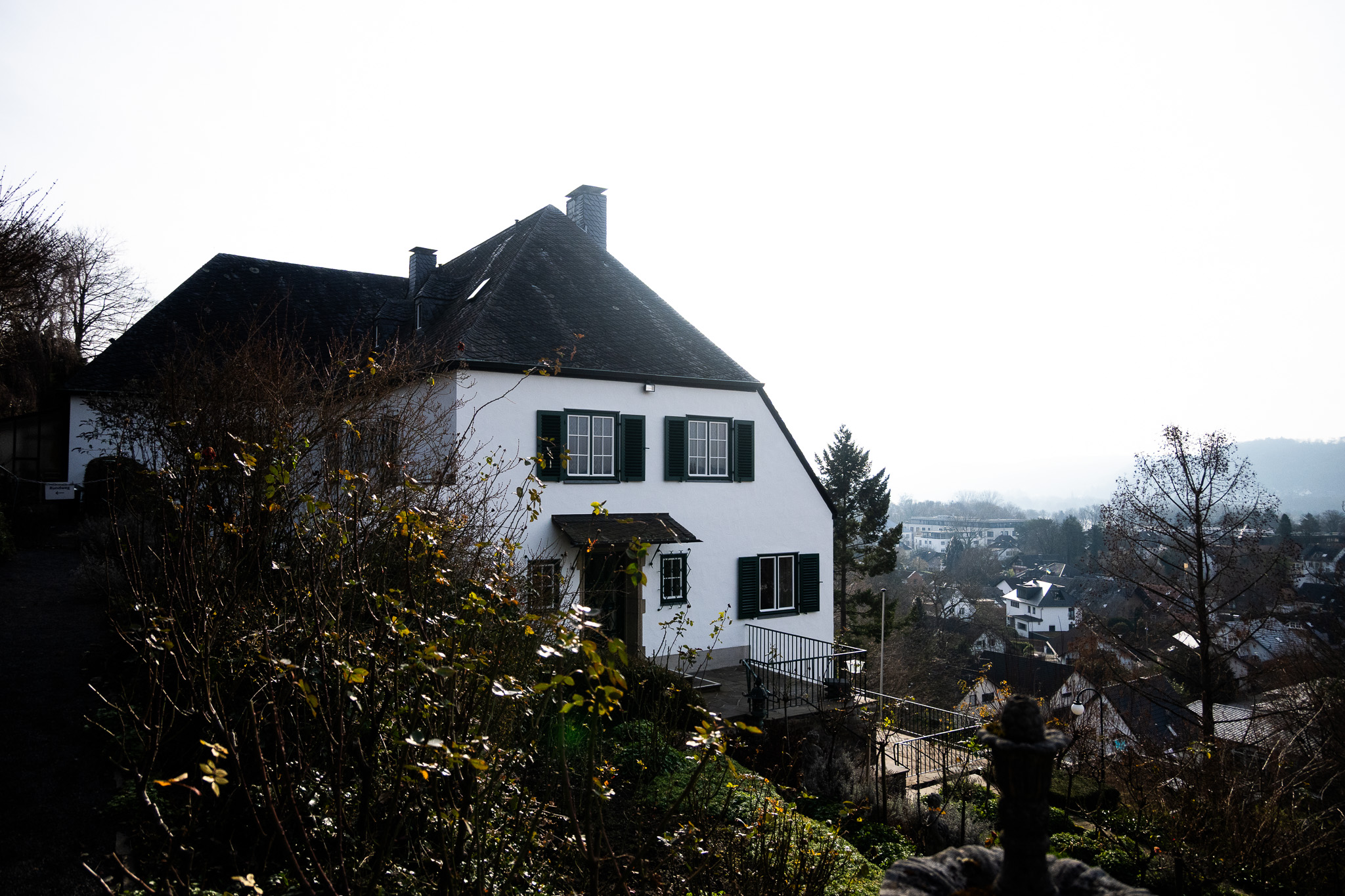
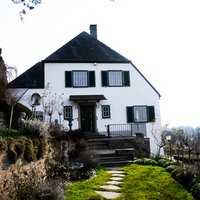
A white house with dark shutters sits on a hill overlooking a landscape and a distant town.
Adenauer House, Rhöndorf © Beethovenfest Bonn

House music evenings

Immediately on the right-hand side as you enter the foyer, the guided tour takes you into what is known as the »music room«. In the early years after the family moved into their new home in Rhöndorf, Adenauer’s second wife, Gussie, would regularly play music here together with the family’s youngest children. 

For a long time, this room also housed a Phonola – a mechanical self-playing piano with music rolls, which is now on display at a musical automaton museum in Bruchsal. 

Before the rise of the National Socialists, when Konrad Adenauer served as Mayor of Cologne from 1917 to 1933, the Adenauer family regularly hosted musical evenings at home. At evening gatherings with extended family, friends and neighbours, they would make music together in their large house in Cologne-Lindenthal. Gussie Adenauer was a talented violinist. The children were also encouraged to learn an instrument.

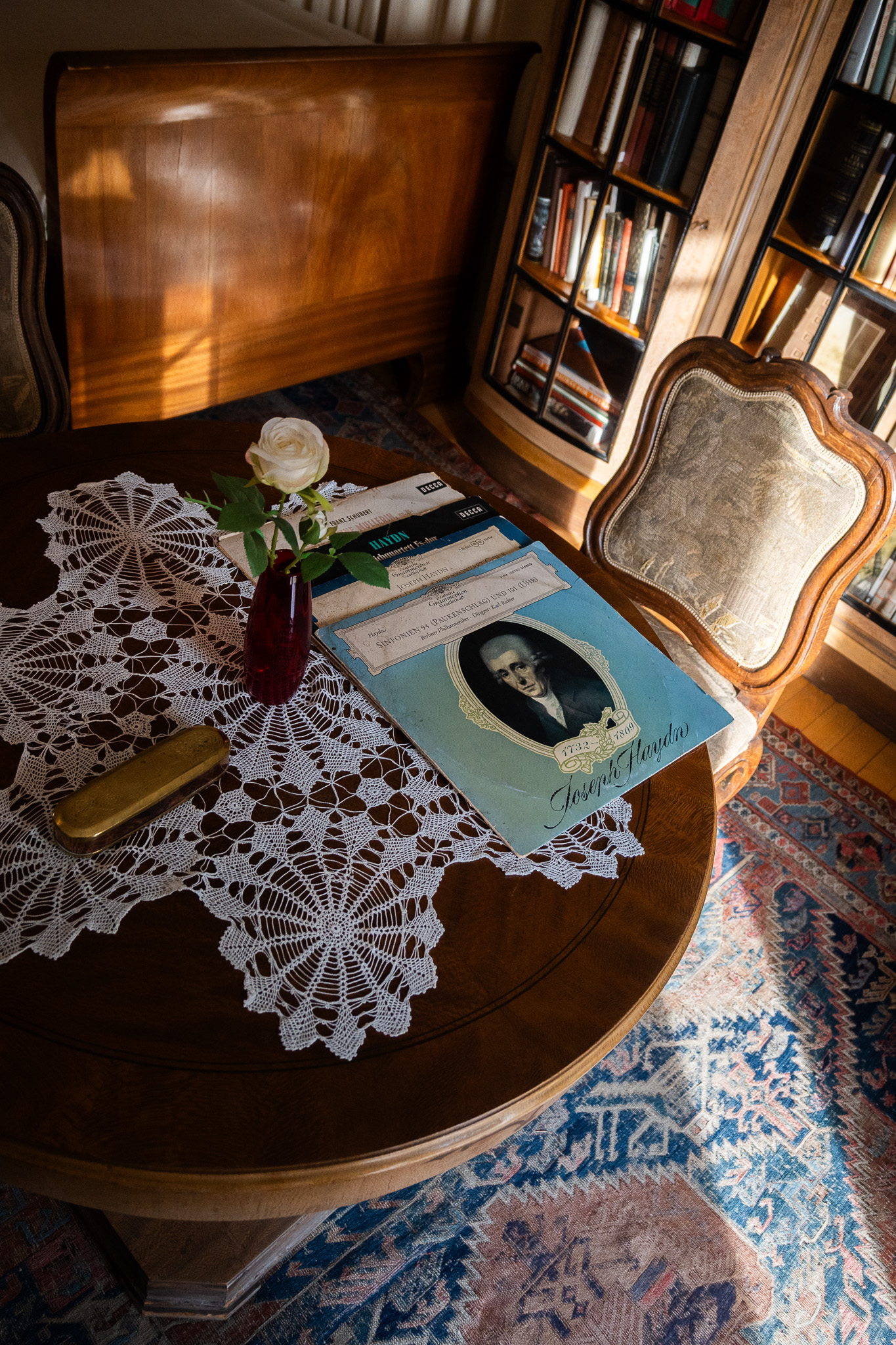
A round wooden table with a white lace doily, covers of vinyls featuring a portrait, and a single rose in a vase.
Inside the Adenauer House in Rhöndorf: The CD collection © Beethovenfest Bonn

State-of-the-art technology

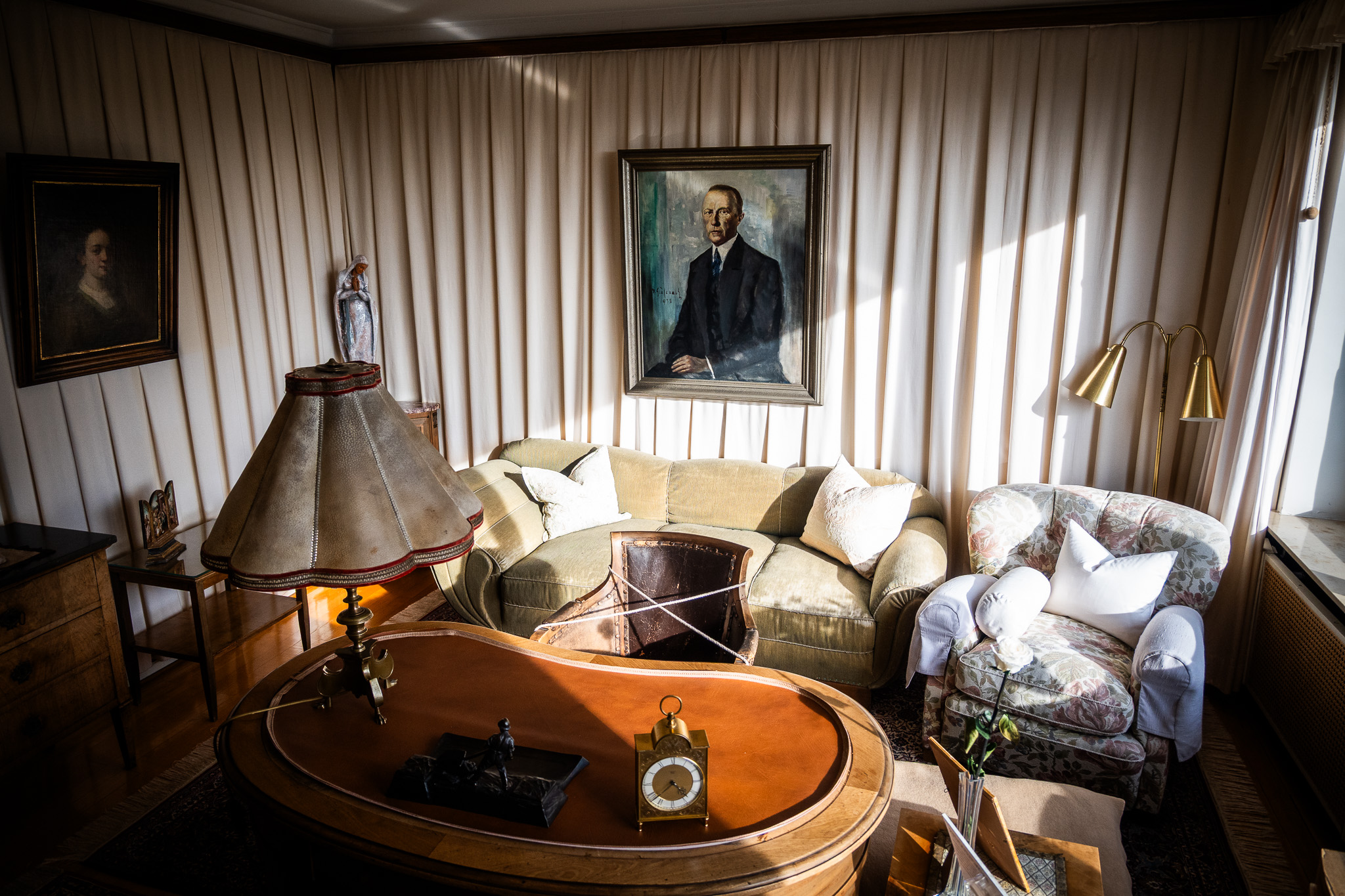
The living room is right next door. The large music cabinet in the centre of the room is particularly striking. After busy days at work, Adenauer would put on records and tapes to listen to classical music and relax – the WDR even made special recordings of radio concerts for him. The Chancellor was »utterly delighted by the reproduction of both dark and light tones and all the subtleties of nuance« produced by the modern device.

Cozy living room with an oval wooden table, sofas, a painted portrait on the wall, and soft daylight streaming in.
Inside the Adenauer House in Rhöndorf © Beethovenfest Bonn

Music for relaxation

Music played a major role in Adenauer’s daily life – it served as a way for him to unwind during his lunch break or in the evening. He favoured sacred music, folk songs, marching music and, above all, classical music – including Haydn, Beethoven, Vivaldi, Schubert and Mozart.

 Often, his choice of composer was an indicator of Adenauer’s state of mind. Hannelore Siegel, his secretary, recalled: »At lunchtime, there was always classical music. It was a moment of calm. And for us, it was a sign – depending on which music he chose – of what mood he was in. When it was Haydn, Mozart or Schubert, we were all quite content just listening to them through the keyhole.« The situation was different with other composers. Adenauer himself stated: »I listen to Tchaikovsky when I’m agitated; it stimulates me even further.« 

As well as instrumental music, he appreciated male voice choirs such as those of the Schubertbund. It wasn’t just the choice of songs that mattered, but also the spirit behind them: »…the people who sing in a male voice choir are still people with heart, who don’t just talk politics…«.

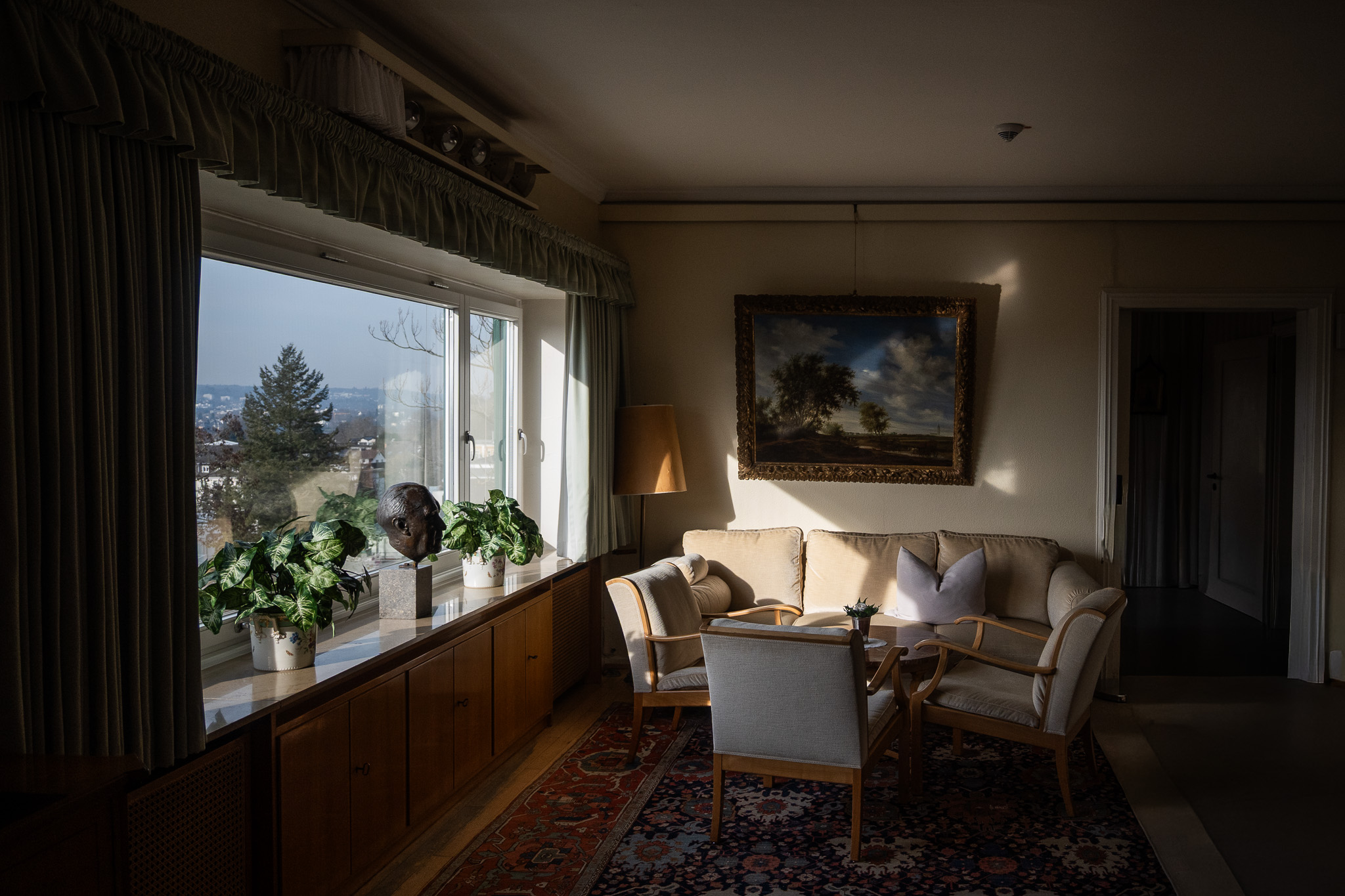
Cozy living room with armchairs, fully stocked bookshelves, and a painting on the wall. Daylight streams through the large window.
Inside the Adenauer House in Rhöndorf: The living room

An exhibition well worth seeing

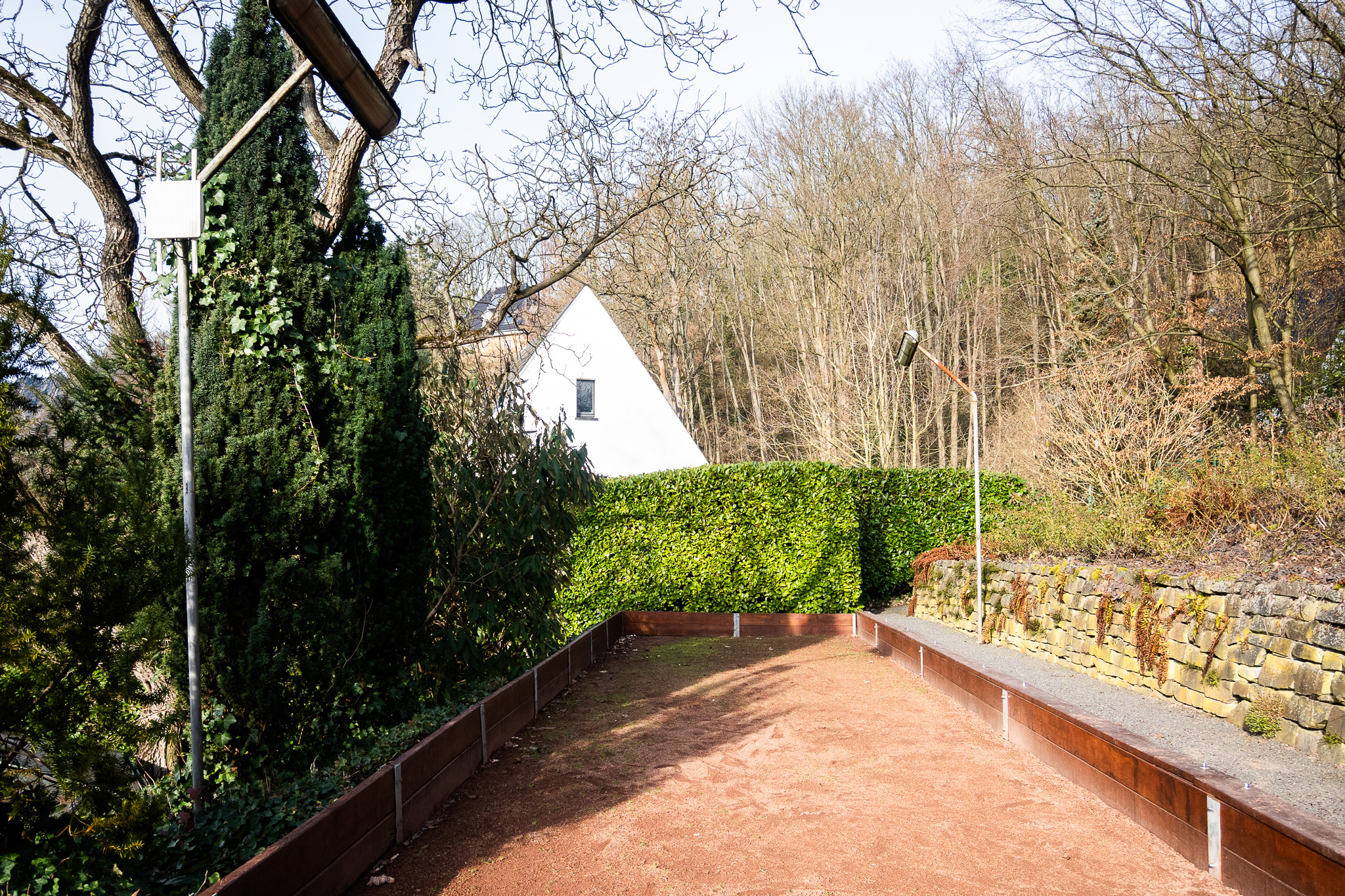
It is not just the house itself that is worth a visit. It is surrounded by a magnificent garden: fragrant roses and Mediterranean sculptures line the picturesque garden paths. From here, the view stretches out towards the Drachenfels. Adenauer wrote his memoirs in the pavilion; his boccia court lies above it. Statues commemorate the 1955 trip to Moscow, which marked the return of the last prisoners of war, as well as Adenauer’s and de Gaulle’s contributions to Franco-German reconciliation.

A sandy ground enclosed by metal barriers leads to a white building in the background. Leafless trees surround the scene.
Adenauer House, Rhöndorf: Boccia court

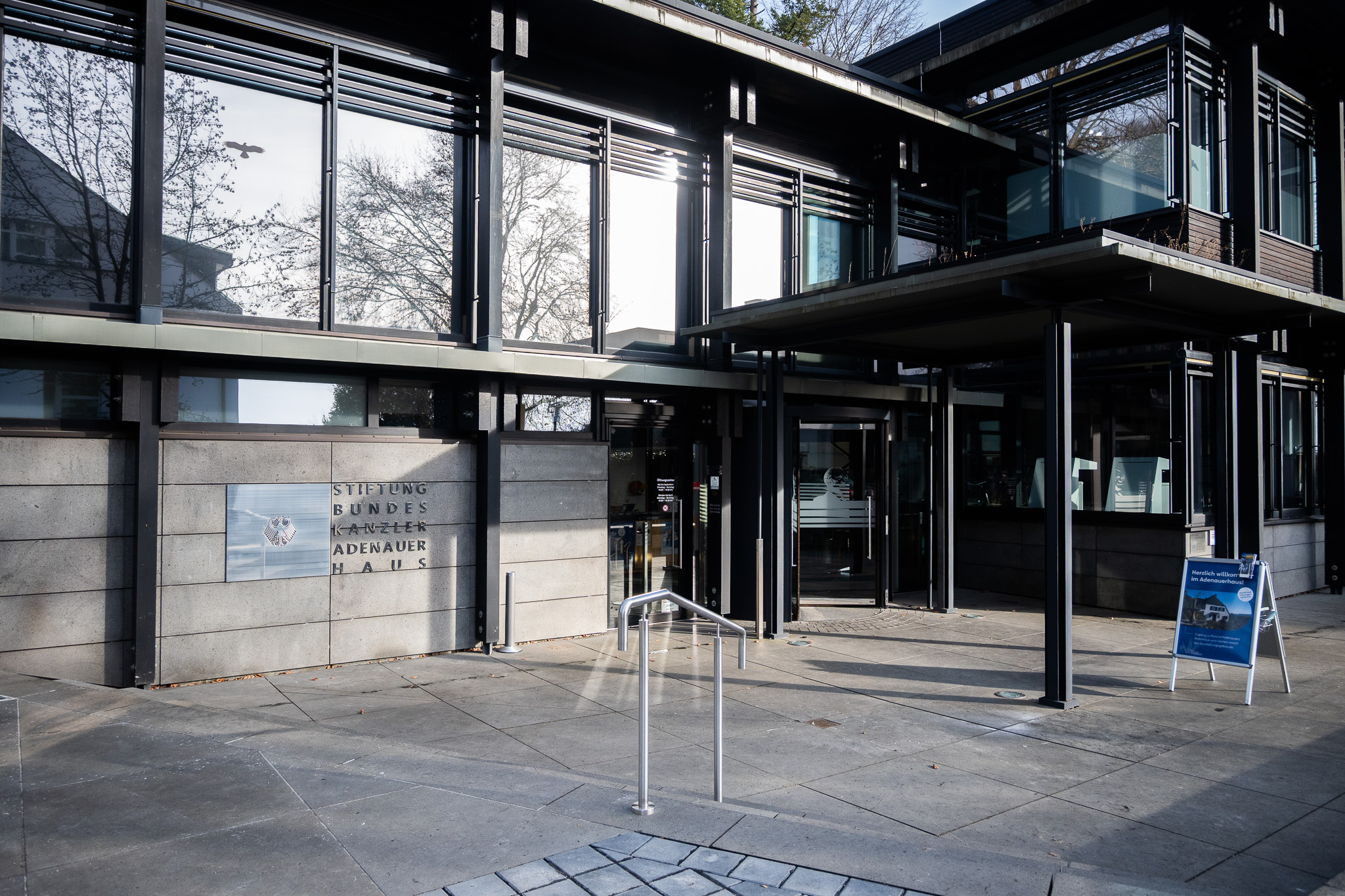
The exhibition building, situated below the estate, explores the history of the Sudeten German violin makers from the Czech Republic who found a new home in Bubenreuth near Erlangen in the immediate post-war period. The displaced instrument makers, whose integration was a particular concern of Adenauer’s, presented him with a master violin in 1957. A violin from Bubenreuth is on display in Rhöndorf today.

Modern museum or gallery entrance with glass panels and metal frame. A freestanding sign is outside the building.
The museum at the Adenauer House, Rhöndorf © Beethovenfest Bonn

A Cultural Triad

One section of the exhibition is dedicated to Adenauer’s love of literature, the visual arts and music. He had a special connection to Ludwig van Beethoven – in a letter, he described »Goethe, Beethoven, Rembrandt« as the triad of high culture. In 1959, Adenauer sponsored the first Beethoven stamp, attended Beethovenfest in Bonn on numerous occasions and celebrated his 90th birthday at the Beethovenhalle in 1966. 

And so the 150th birthday of the first Federal Chancellor is now also being marked with music. The Adenauerhaus invites visitors to a talk on the significance of music for the Chancellor. On Open Monuments Day, the Beethoven Talents 2026 will present a varied programme of chamber music across the entire grounds of the Adenauer House. Adenauer would certainly have been delighted, as they have drawn inspiration from his record collection.

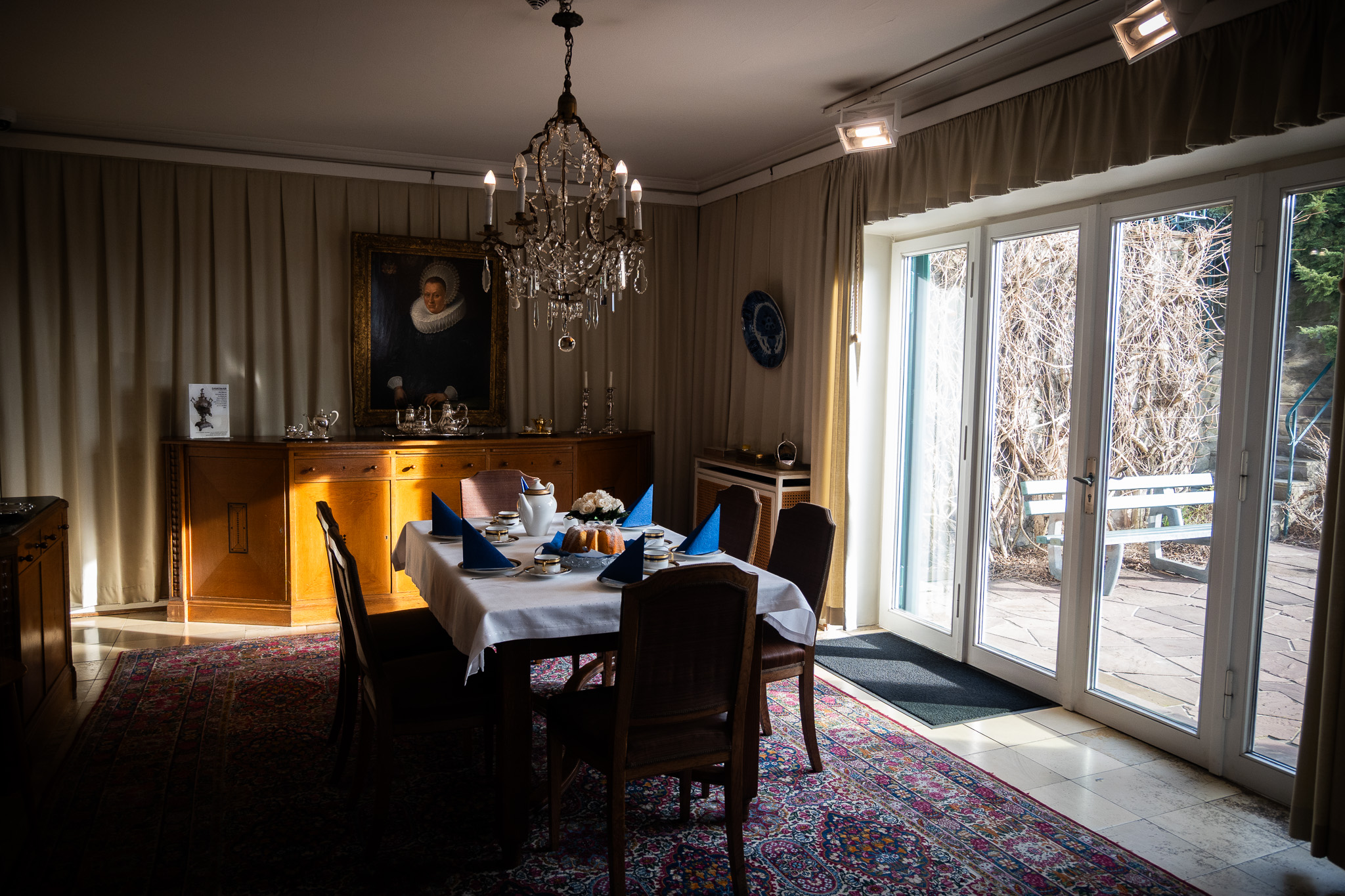
An elegant dining room with a table set with blue napkins. A chandelier hangs from the ceiling.
Inside the Adenauer House in Rhöndorf © Beethovenfest Bonn

Events for the Adenauer jubilee

Sun. 13.9.2026
  • 11:30, Adenauer House, Rhöndorf

    Open Memorial with Music

    Chamber Music, Open Air

    Beethovenfest Talents 2026

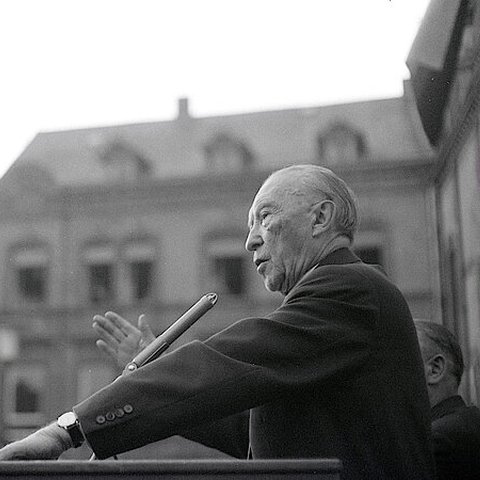
StBKAH/Will McBride
Konrad Adenauer © StBKAH/Will McBride
Tuesday October 6, 19:00 Lecture by Marcel Guthier on »Konrad Adenauer and music« at Adenauer House in Bad Honnef-Rhöndorf. Free entry
Register for the event
Article by Claudia Waibel
Ticket Hotline +49 228 2010344 Mon, Wed–Fri, 10:00–14:00
Subscribe to Newsletter
  • Barrier-free access
  • Contact
  • Press
  • Newsletter
  • Team
  • Jobs
  • Calls for Submissions
  • Festival archive
  • CO₂-Compensation
  • Imprint, terms & conditions, privacy
  • Declaration of compliance
  • Prize draw
  • Cookie settings
  • Deutsche Post DHL Group
  • Telekom
  • Sparkasse KölnBonn
  • Deutsch Welle
  • Stadt City Ville Bonn