Alt und neu im nächtlichen Reigen: Henry Purcells berührende Arien und Duette treffen in der Late Night auf moderne, nicht weniger stimmungsvolle Musik.
Fr 19.9.2025
22 Uhr, Kreuzkirche
Late Night: Purcell
- Vokal, Kammermusik
- Vergangene Veranstaltung
- € 20
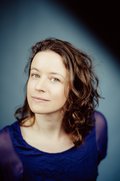
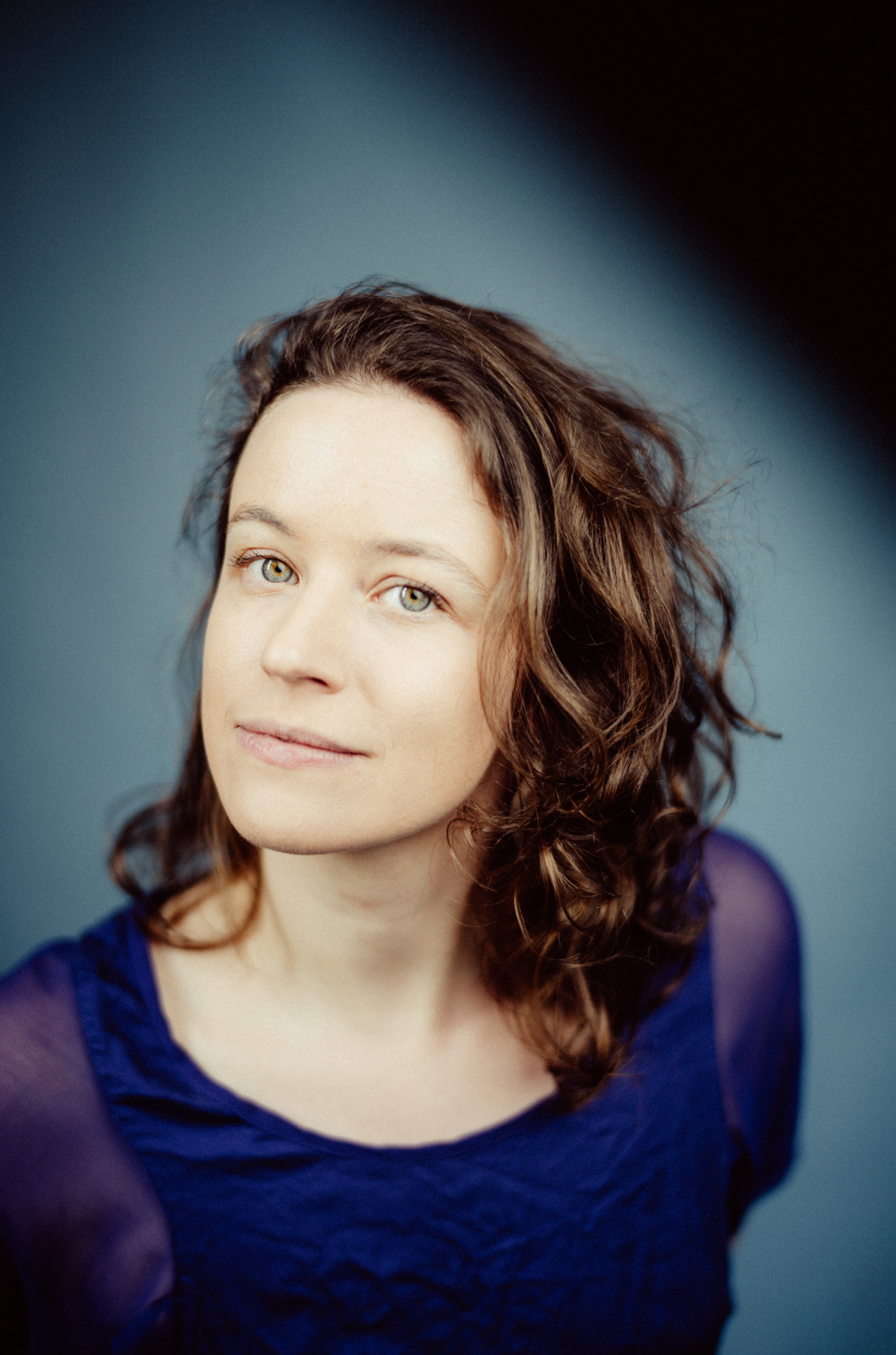
Viola Blache © Lukas Diller 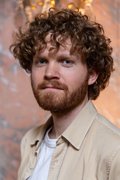
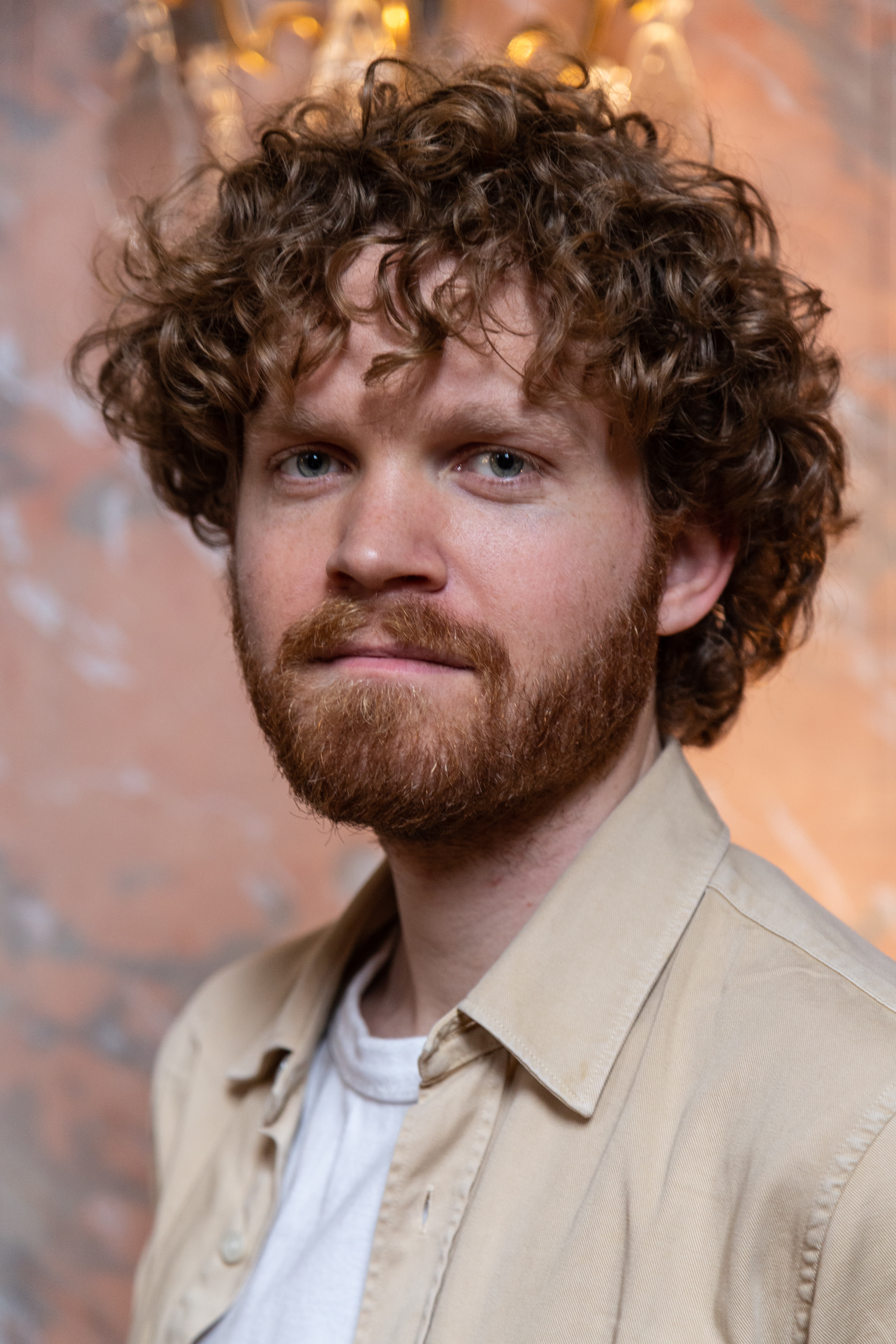
Jacob Lawrence © Oscar Ortega 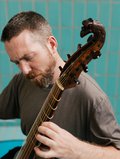
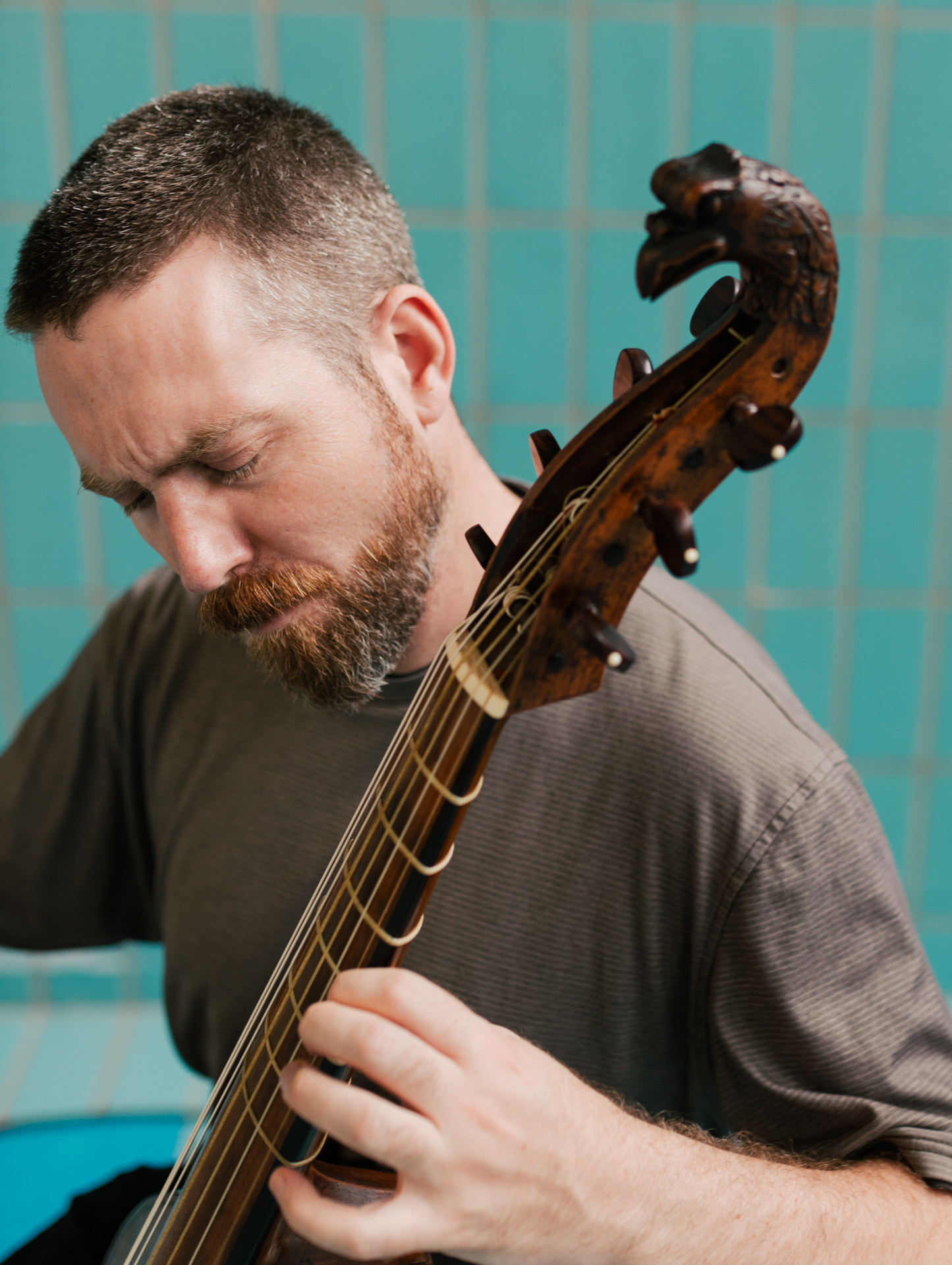
Liam Byrne © Sophia Hegewald 
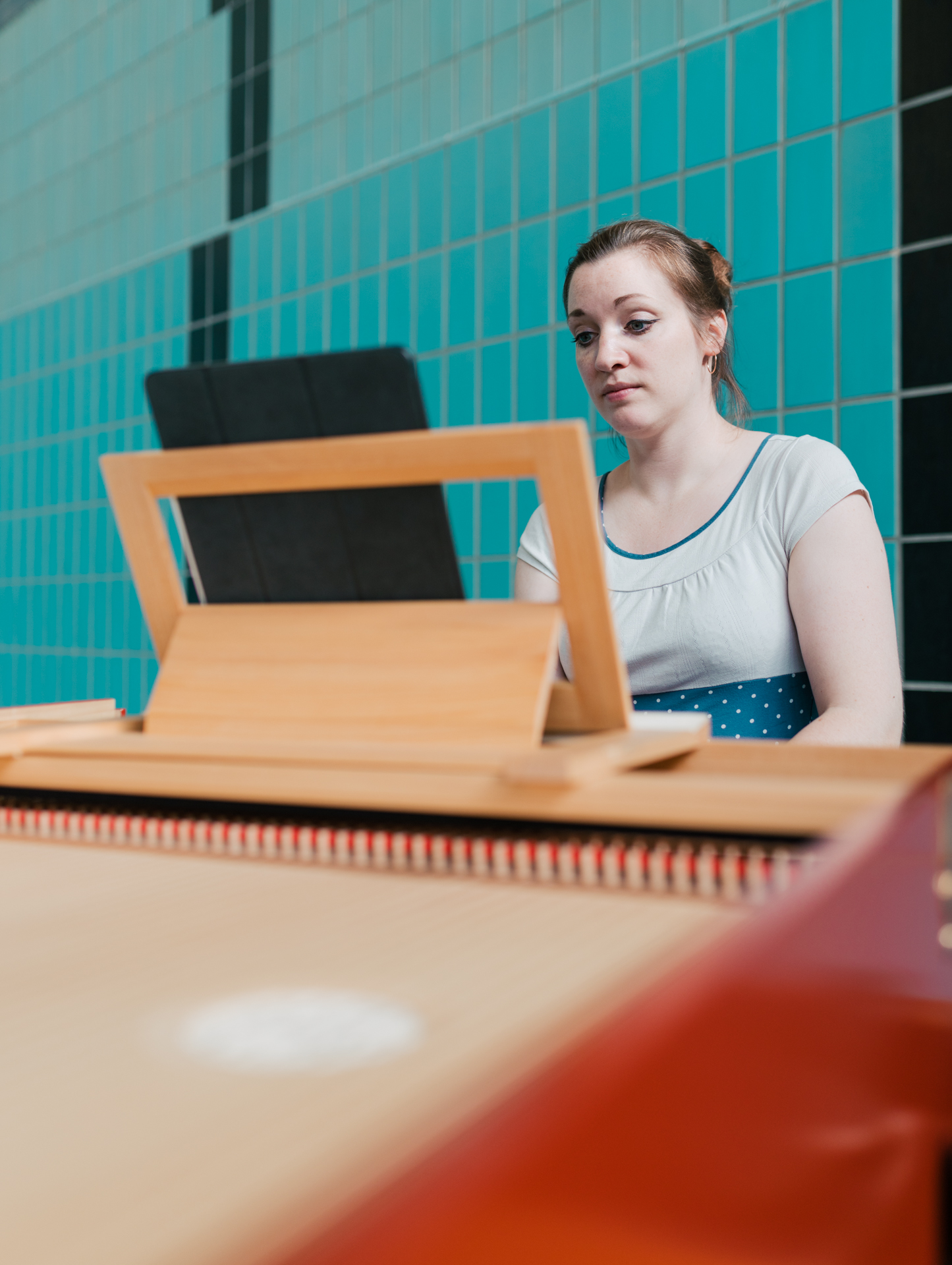
Elina Albach © Sophia Hegewald
Mitwirkende
- Viola Blache Sopran
- Jacob Lawrence Tenor
- Liam Byrne Gambe
- Elina Albach Cembalo & Orgel
Programm
John Musto
»Litany« aus »The Book of the Hours«
Henry Purcell
»Shepherds, shepherds, leave decoying« & »Two daughters of this aged stream« aus der Semi-Opera »King Arthur« Z. 628
Henry Purcell
»Ye gentle spirits« & »One charming night« aus der Semi-Opera »The Fairy Queen« Z. 629
Anonym
Divisions on a Ground
Henry Purcell
»Music for a While«
Caroline Shaw
»And So«
Henry Purcell
Prelude a-Moll aus »A Choice Collection of Lessons for Harpsichord or Spinnet, Suite IV«
George Crumb
»Night« aus »Three Early Songs«
Henry Purcell
»Here the deities approve« aus »Welcome to all the Pleasures« Z. 339
Benjamin Britten
»Mother Comfort« aus »Two Ballads for Two Voices and Piano«
Henry Lawes
»A Dialogue on a Kiss«
John Jenkins
Prelude für Viola da Gamba
Samuel Barber
»The Desire for Hermitage« aus »Hermit Songs«, arr. von Jacob Lawrence
Henry Purcell
»An Evening Hymn« Z. 193
Auf einen Blick
Was erwartet mich?
Wie klingt das?
Vokaltexte zum Konzert
»Litany«
John Musto (*1954)
»Litany«
aus »The Book of the Hours«Gather up
In the arms of your pity
The sick, the depraved
The desperate, the tired
All the scum
Of our weary city
Gather up
In the arms of your pity
Gather up
In the arms of your love–
Those who expect
No love from above
»Shepherd, shepherd, leave decoying«
Henry Purcell (1659–1695)
»Shepherd, shepherd, leave decoying«
aus der Semi-Opera »King Arthur« Z. 628Shepherd, shepherd, leave decoying:
Pipes are sweet on summer’s day,
But a little after toying,
Women have the shot to pay.
Here are marriage-vows for signing:
Set their marks that cannot write,
After that, without repining,
Play, and welcome, day and night.
Text: John Dryden (1631–1700)
»Ye gentle spirits«
Henry Purcell (1659–1695)
»Ye gentle spirits«
aus der Semi-Opera »The Fairy Queen« Z. 629Ye Gentle Spirits of the Air, appear;
Prepare, and join your tender Voices here.
Cath, and repeat the Trembling Sounds anew,
Soft as her Sighs and sweet as pearly dew,
Run new Division, and such Measures keep,
As when you lull the God of Love asleep
Text: Elkanah Settle (1648–1724) nach William Shakespeare’s »A Midsummer Night’s Dream« (Ein Sommernachtstraum)
»Music for a while«
Henry Purcell (1659–1695)
»Music for a while«
Music for a while
Shall all your cares beguile.
Wond’ring how your pains were eas’d
And disdaining to be pleas’d
Till Alecto free the dead
From their eternal bands,
Till the snakes drop from her head,
And the whip from out her hands.
Music for a while
Shall all your cares beguile.
Text: John Dryden (1631–1700) & Nathaniel Lee (1653–1692)
»And so«
Caroline Shaw (*1982)
»And so«
Would a song by any other name
Sound as sweet and true?
Would all the reds be just the same
Or violets as blue?
If you were gone
Would words still flow
And would they rhyme with you?
If you were gone
Would I still know
How to love, and how to grow
And how the vowel threads through?
And so, you say, the saying goes
A rose is a rose is a rose is a rose
Is a rose is a rose is a tired rhyme
But in the verse there’s always time
Would scansion cease to mark the beats if I went away?
Would a syllable interrupt the feet of tetrametric iambs when I am gone?
Listen, and I will sing a tune of love and life, and of the ocean’s prose
And the poetry of a red, red rose that’s nearly sprung in June
And so, you say, the saying goes
A rose is a rose is a rose is a rose
Is a rose is a rose is how I’m
Keeping track of time
When all the seas rise high, my dear
And rocks melt with the sun
Will the memory of us
Still rhyme with anyone?
Will we still tune our violins?
Will we still sing of roses?
Will we exist at all, my love
Or will we fade to stanzas of our dust
That, I suppose, is all we were and all we’ll be?
And so, the saying, so it goes
Depends a lot on if a rose
Is a rose is a rose is a rose is a rose
Is a rose is a rose is a thing sublime
And so we stay on borrowed time
Text: Caroline Shaw, nach Shakespeare, »Romeo und Julia« Akt 2/2
»Two daughters of this aged stream«
Henry Purcell (1659–1695)
»Two daughters of this aged stream«
aus »King Arthur«Two daughters of this aged stream are we,
And both our sea-green locks have comb’d for ye.
Come bathe with us an hour or two;
Come naked in, for we are so.
What danger from a naked foe?
Come bathe with us, come bathe, and share
What pleasures in the floods appear.
We’ll beat the waters till they bound
And circle round, and circle round.
Text: John Dryden (1631–1700)
»Night«
George Crumb (1929–2022)
»Night«
aus »Three Early Songs«How beautiful is night!
A dewy freshness fills the silent air;
No mist obscures, nor cloud, nor speck, nor stain
Breaks the serene of heaven:
In full-orbed glory yonder Moon divine
Rolls through the dark-blue depths.
Beneath her steady ray
The desert-circle spreads,
Like the round ocean, girdled with the sky.
How beautiful is night!
Text: Robert Southey
»Here the deities approve«
Henry Purcell (1659–1695)
»Here the deities approve«
aus »Welcome to all the Pleasures« Z. 339Here the deities approve
The God of Music and of Love;
All the talents they have lent you,
All the blessings they have sent you,
Pleased to see what they bestow,
Live and thrive so well below.
Text: Christopher Fishburn
»Mother Comfort«
Benjamin Britten (1913–1976)
»Mother Comfort«
aus »Two Ballads for Two Voices and Piano«Dear, shall we talk or will that cloud the sky?
Will you be Mother Comfort or shall I?
If I should love him where would our lives be?
And if you turn him out at last, then friendship pity me!
My longing, like my heart, beats to and fro.
Oh that a single life could be both Yes and No.
Ashamed to grant and frightened to refuse –
Pity has chosen: Power has still to choose.
But darling, when that stretched out will is tired
Surely your timid prettiness longs to be overpowered?
Sure gossips have this sweet facility
To tell transparent lies and, without pain, to cry.
Will you be Mother Comfort or shall I?
Text: Montagu Slater (1902–1956)
»One charming night«
Henry Purcell (1659–1695)
»One charming night«
aus »The Fairy Queen«One charming night
Gives more delight
Than a hundred lucky days:
Night and I improve the taste,
Make the pleasure longer last
A thousand, thousand several ways.
Text: Elkanah Settle (1648–1724) nach William Shakespeare’s »A Midsummer Night’s Dream« (Ein Sommernachtstraum)
»A Dialogue on a Kiss«
Henry Lawes (1596–1662)
»A Dialogue on a Kiss«
She:
Among thy fancies tell me this,
what is the thing we call a kiss?
He:
I shall resolve you what it is:
it is a creature born and bred
betwixt the lips all cherry red,
by love and warm desires fed.
Both:
And makes more sweet the bridal bed.
It is an active flame that flies
first to the babies of the eyes,
and charms it there with lullabyes.
And stills the bride too when she cries.
Then to the chin, the cheek, the ear
it frisks, it flies, now here, now there.
’Tis now far off, and now ’tis near:
’tis here and there and ev’rywhere.
She:
Has it a voicing virtue?
He:
Yes.
She:
How speaks it then?
He:
Do you but this,
part your join’d lips, then speak the kiss.
Both:
And this Love’s sweetest language is.
She:
Has it a body?
He:
Aye, and wings
with thousand various colourings.
Both:
And as it flies it sweetly sings,
Love honey yields but never stings.
Text: Anonymous
»The Desire for Hermitage«
Samuel Barber (1910–1981)
»The Desire for Hermitage«, arr. von Jacob Lawrence
aus »Hermit Songs«Ah! To be all alone in a little cell with nobody near me;
beloved that pilgrimage before the last pilgrimage to Death.
Singing the passing hours to cloudy Heaven;
feeding upon dry bread and water from the cold spring.
That will be an end to evil when I am alone
in a lovely little corner among tombs
Far from the houses of the great.
Ah! To be all alone in a little cell, to be alone, all alone:
Alone I came into the world,
Alone I shall go from it.
Text: Seán Ó Faoláin
»An Evening Hymn«
Henry Purcell (1659–1695)
»An Evening Hymn« Z.193
Now that the sun hath veil’d his light
And bid the world goodnight;
To the soft bed my body I dispose,
But where shall my soul repose?
Dear, dear God, even in Thy arms,
And can there be any so sweet security!
Then to thy rest, O my soul!
And singing, praise the mercy
That prolongs thy days.
Hallelujah!
Text: Dr. William Fuller, Lord-Bishop of Lincoln (1608–1675)
Beschreibung
Die Musik von Henry Purcell gehört zum Schönsten, was der Barock hervorgebracht hat. In diesem stimmungsvollen Nachtkonzert erklingen einige seiner ›Greatest Hits‹, darunter »Music for a While« und »An Evening Hymn« sowie Duette aus der Oper »The Fairy-Queen«. Dazwischengestreute Stücke aus dem 20. und 21. Jahrhundert setzen dazu atmosphärische Kontraste. Der Tenor Jacob Lawrence, einer der profiliertesten Sänger der Barockszene, tritt gemeinsam mit der Sopranistin Viola Blache, dem Gambisten Liam Byrne und der Cembalistin Elina Albach auf. Seit Jahren arbeiten sie im Ensemble CONTINUUM an innovativen Barockprojekten.
Weitere Infos
