• Programme & Tickets
  • Beethoven Spring
  • Magazine
  1. Your Concert Visit

Beethoven City Bonn

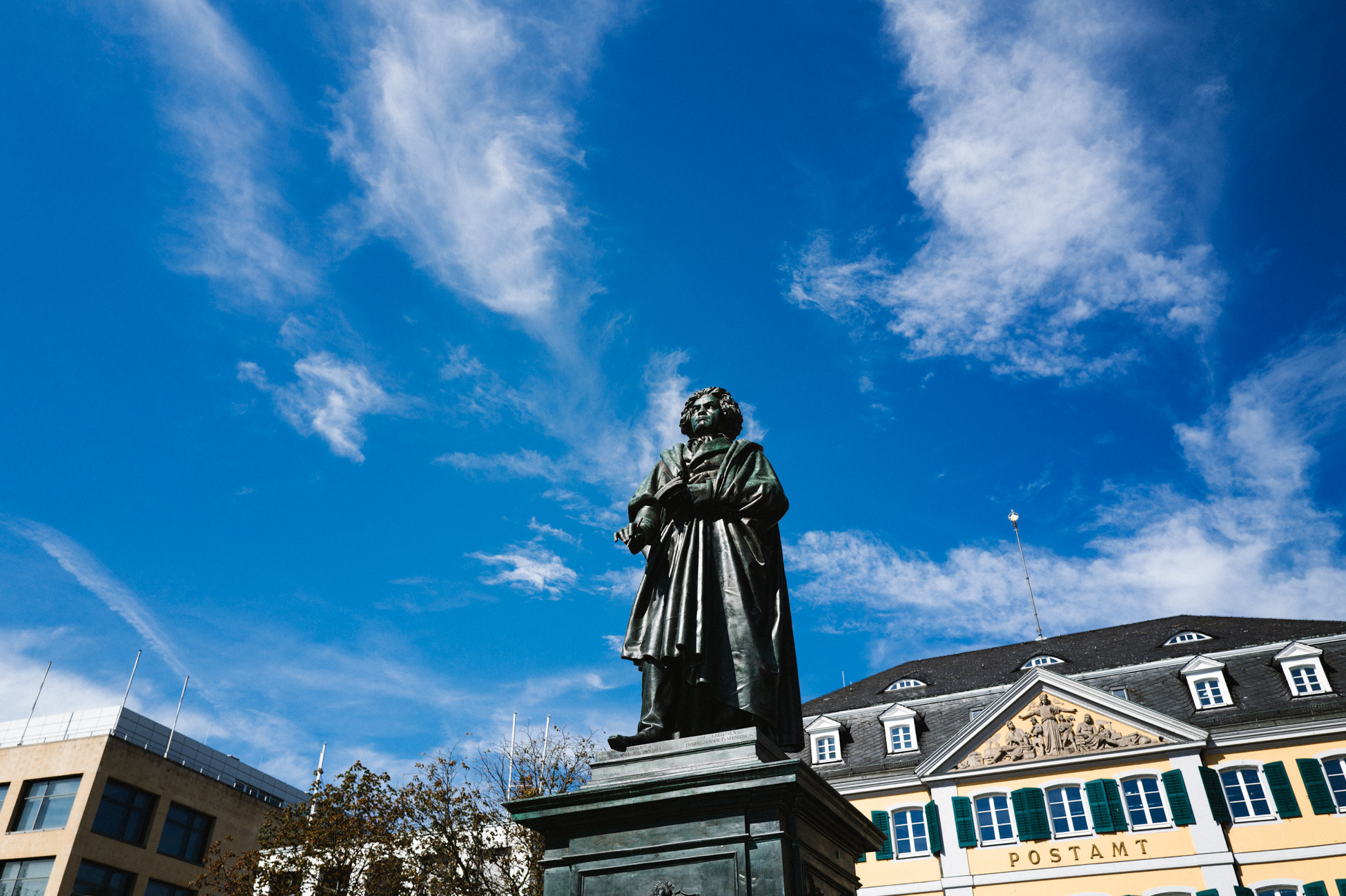
    Ludwig van Beethoven was born in December 1770 into a family of musicians at the electoral court in Bonn. He grew up in this city, where the spirit of music enveloped him from his earliest childhood. Here he learned to make music and compose, here he performed as a child prodigy before Joseph Haydn, here he played the organ: music was his life from early childhood onwards. But the spirit of the Rhineland also left its mark on him: the Rhenish cheerfulness, the latent rebelliousness and the striving for freedom from any control and paternalism. In Bonn, Beethoven became what he would remain his entire life – a rebellious maverick, a moody loner, and a lover of freedom and new sounds.

    Bonn – Beethoven city since 1770

    Today Bonn breathes the spirit of Beethoven. Bonn is a city of music with Beethovenfest, the Beethoven-Haus research museum and the Beethoven Hall, but also with the Hotel Beethoven, the Beethoven Pharmacy, the Beethoven Square and much more. The city and its most famous son are inseparable.
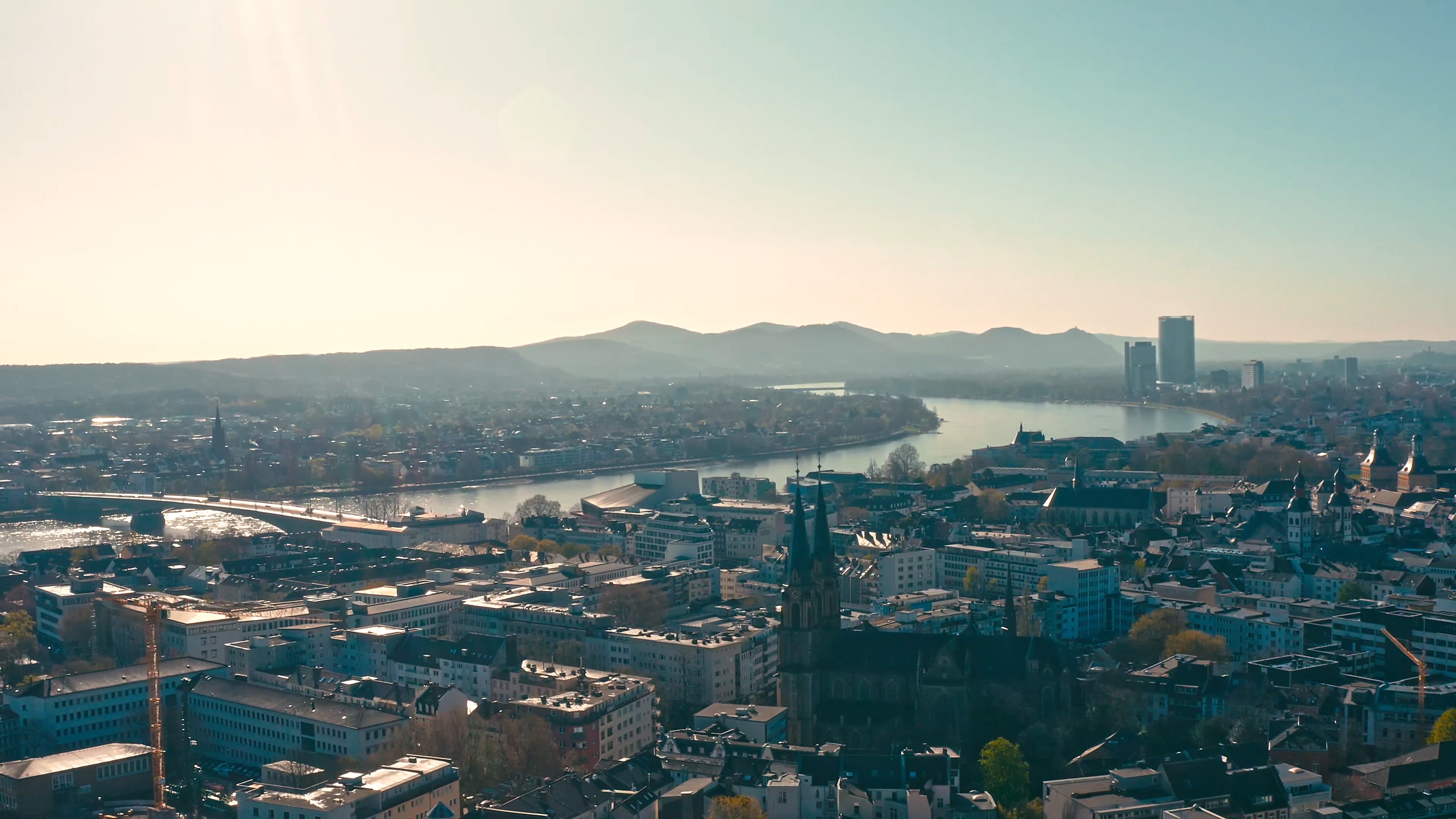
    Bonn © Stefanie Gartmann

    Bonn – University city since 1818

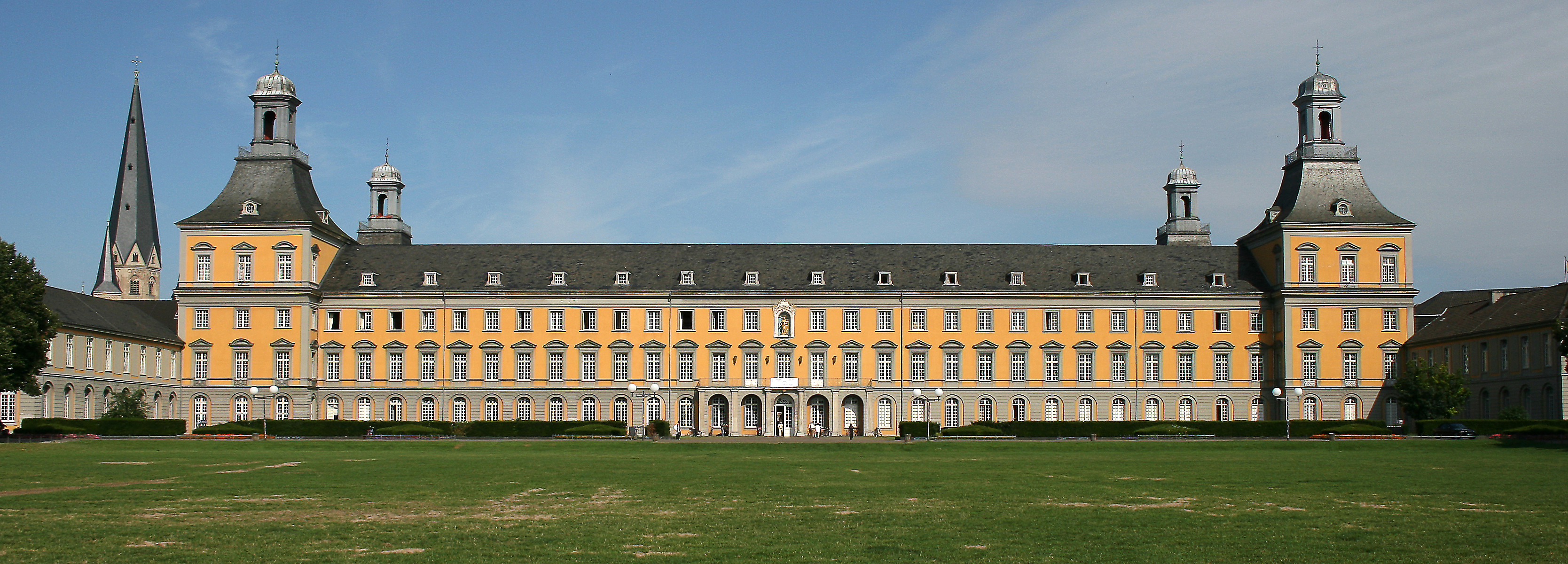
    With the reorganisation of Europe after the Napoleonic upheavals and the Congress of Vienna, the Rhineland fell to the Prussian kingdom in 1815. One of Europe’s most famous universities was founded in Bonn in 1818 – the Rhenish Friedrich Wilhelm University. Leading professors of the 19th century taught here, and influential figures such as Friedrich Nietzsche, Karl Marx, Konrad Adenauer and the later Pope Benedict studied here. With almost 40,000 students today, it’s a key influence on the cityscape. Its promotion of excellence, especially in the fields of physics and mathematics, makes it one of the most prestigious institutions in the academic world.

    Universität Bonn © I, Der Wolf im Wald

    Bonn – Wilhelminian city since 1871

    The founding of the German Empire in 1871 marked the beginning of an era of prosperity in the Rhineland. Bonn played a significant part in this growth. The Siebengebirge near the city had become the epitome of Rhine Romanticism, translated by poets into verse, by musicians into songs and by artists into pictures. William Turner and Lord Byron triggered a stampede of visitors from Great Britain with their Romantic Rhine Tour, and even Queen Victoria travelled to the inauguration of the famous Beethoven statue on Münsterplatz. A veritable building boom manifested in upper-class villas on the Rhine, Wilhelminian palaces in Bonn’s Südstadt (southern district) and expansion on the »Schäl Sick« on the right bank of the Rhine. Even today, Südstadt boasts the largest intact area of Gründerzeit architecture in Germany. Quaint student pubs and first-class restaurants, fine boutiques and gourmet shops make the quarter a sought-after residential area.

    © Daniel Dittus

    Bonn – Federal capital since 1949

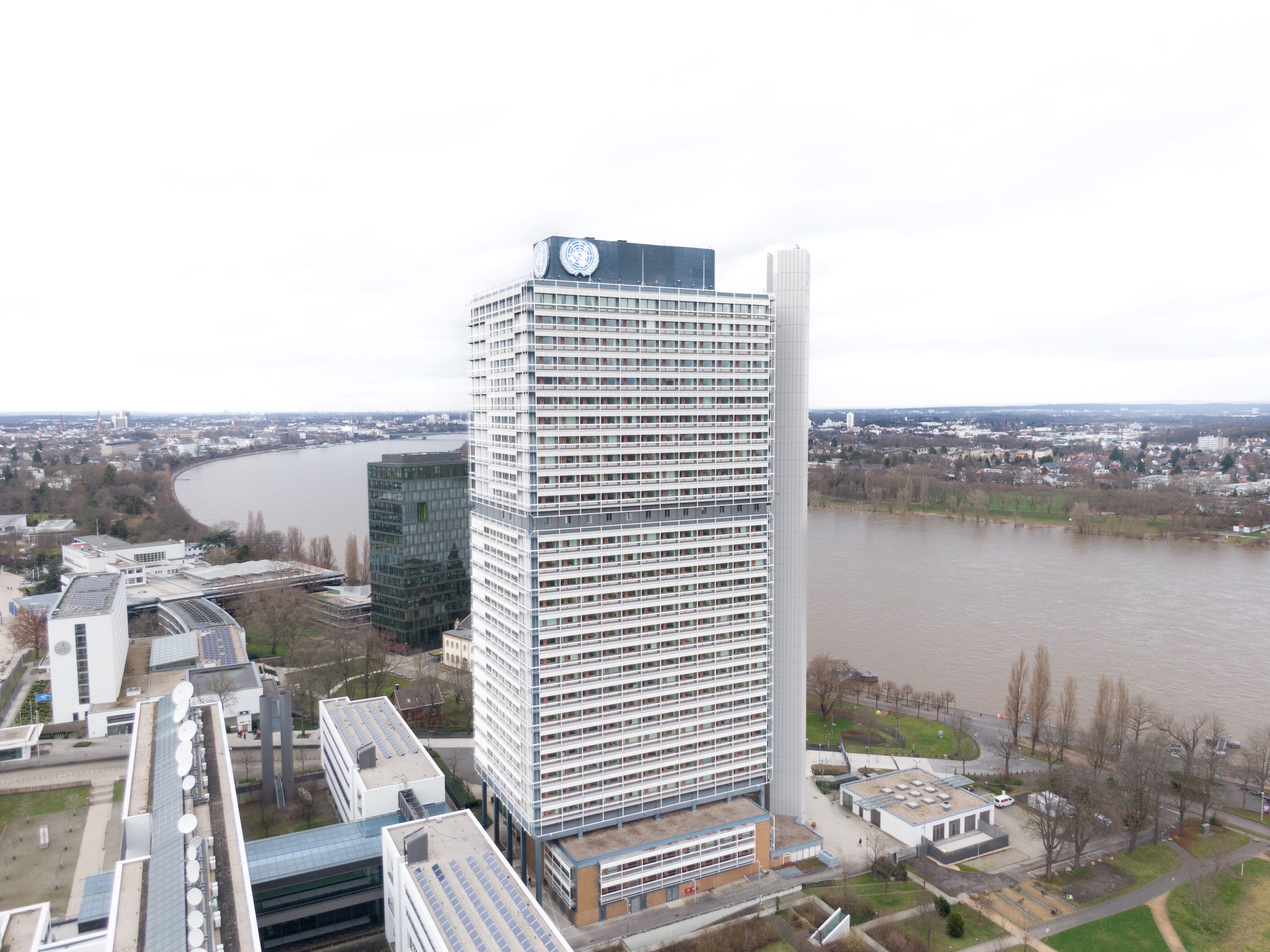
    With the founding of the Federal Republic, Bonn became the federal capital of the three western occupation zones. Its status as capital was defined as provisional – and this provisional character determined the unexciting style, the almost provincial mood with which it was governed. Modesty and fussiness became the hallmarks of the Bonn Republic. The Langer Eugen, the high-rise parliament building named after Eugen Gerstenmaier, was an architectural exclamation mark; modesty otherwise prevailed even in the government buildings. From the long Adenauer years, through the era of SPD chancellors Willy Brandt and Helmut Schmidt, to the Helmut Kohl era and the years under Gerhard Schröder, the Bonn scene was more down-to-earth and neighbourly in contrast to the jazzy, metropolitanism of Berlin.

    UN | Langer Eugen © Timo Semmler

    Bonn – Federal city since 1991

    With the Bonn/Berlin resolution of the Bundestag, Berlin became the capital of the Republic. This treaty regulated the compensation of the ministries moving to Berlin. And yet, since then, Bonn’s population has risen to 325,000 citizens, making it one of the 20 largest cities in the republic. Even without the ministries, parliament and embassies, the state is still present in the cityscape with many subordinate authorities. Since the 1990s, Bonn has been an active UN city alongside New York and Vienna; so far, 19 UN units have moved to the Rhine. And the former state-owned enterprises Deutsche Post and Deutsche Telekom also have their headquarters on the Rhine. With the 2017 Climate Conference, Bonn once again showed itself to be an ideal venue for global political events. In the World Congress Center Bonn (WCCB), the city has a congress centre that will play a major role in shaping its future.

    Guided tours in Bonn

    The Bonn Information Office offers guided tours on various topics. A wonderful way to explore the city!

    Guided tours by Bonn Information Office
    Ticket Hotline +49 228 2010344 Mon, Wed–Fri, 10:00–14:00
    Subscribe to Newsletter
    • Barrier-free access
    • Contact
    • Press
    • Newsletter
    • Team
    • Jobs
    • Calls for Submissions
    • Festival archive
    • CO₂-Compensation
    • Imprint, terms & conditions, privacy
    • Declaration of compliance
    • Cookie settings
    • Deutsche Post DHL Group
    • Telekom
    • Sparkasse KölnBonn
    • Deutsch Welle
    • Stadt City Ville Bonn