• Programme & Tickets
  • Beethoven Spring
  • Magazine

Fri. 2.10.2026

10:00, Beethovenhalle

Conference: Cultural Events as Political Spaces?

  • Discourse
  • Past Event
  • Free entry
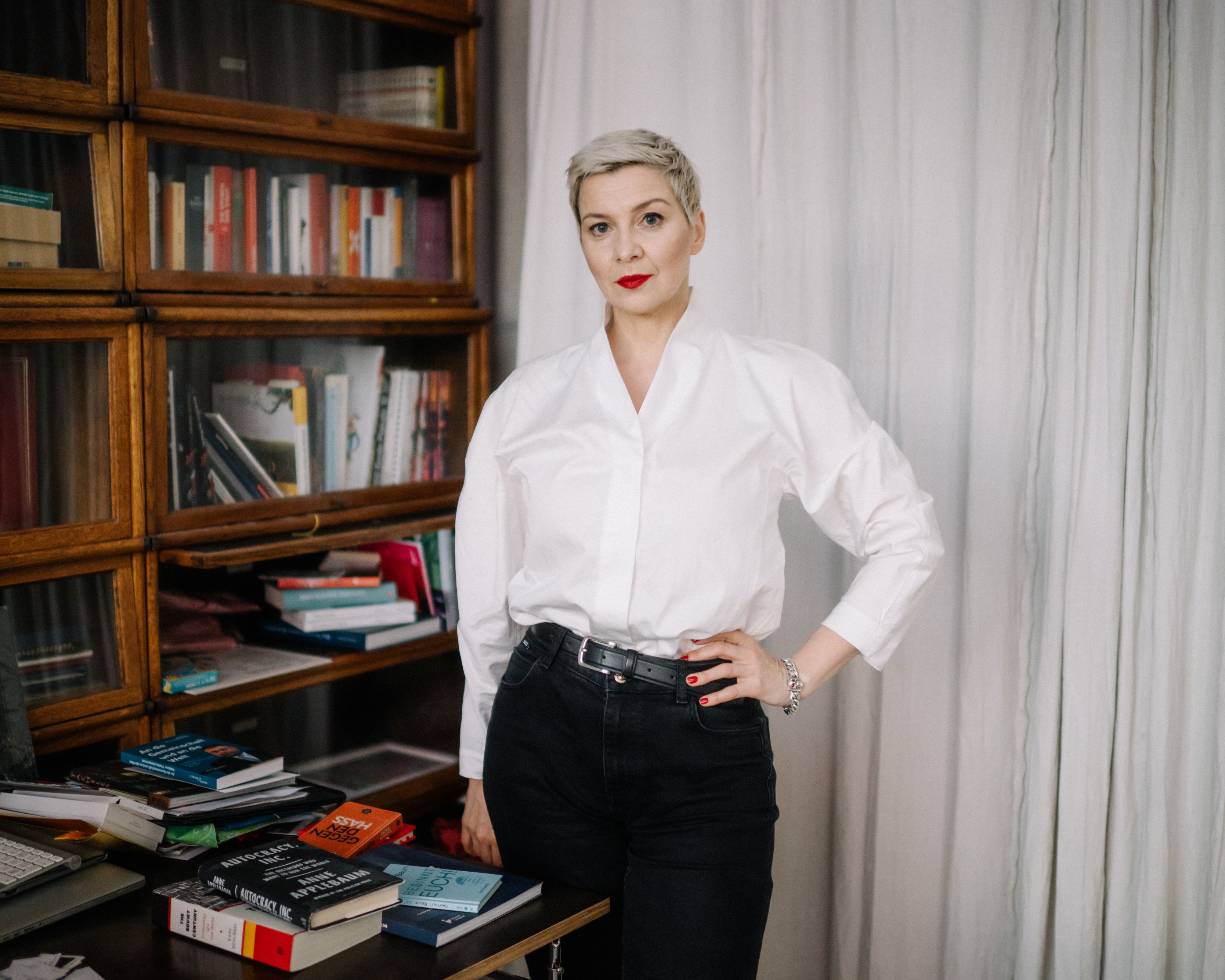
  • A woman is standing in front of a bookshelf. She is looking into the camera. Her hair is short and she is wearing a light-coloured blouse. She has put one hand on her hip.
    Maria Kalesnikava © Pasha Kritchko
  • Katarzyna Wielga-Skolimowska © Falk Welzel
  • A man is standing in front of several pieces of art. He is wearing a suit. His arms are crossed. He is looking into the camera and smiling.
    Prof. Dr. Dr. Udo Di Fabio
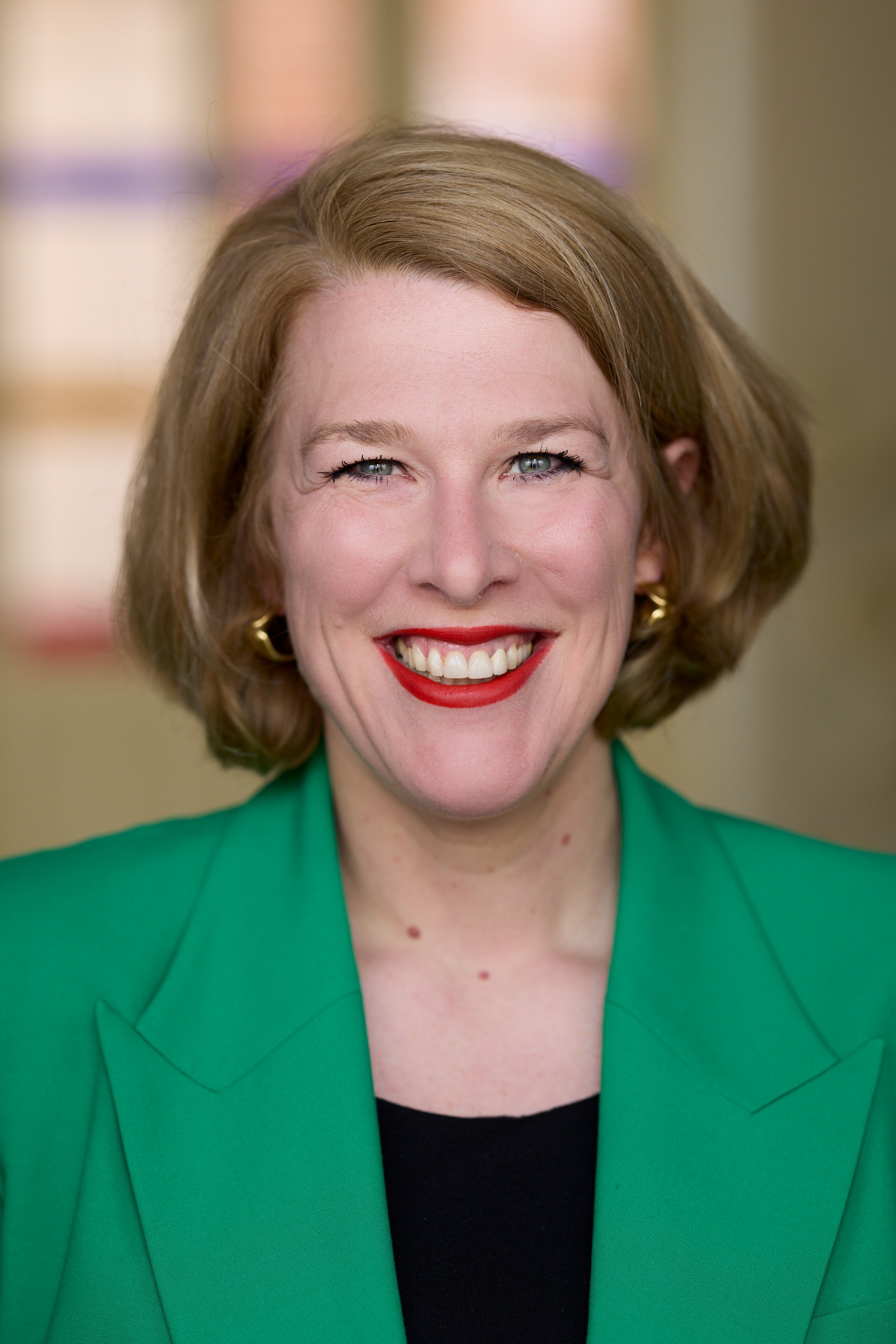
  • A woman is looking into the camera. She is wearing a light-coloured jacket. She is smiling.
    Ursula Haselböck © Oliver Borchert
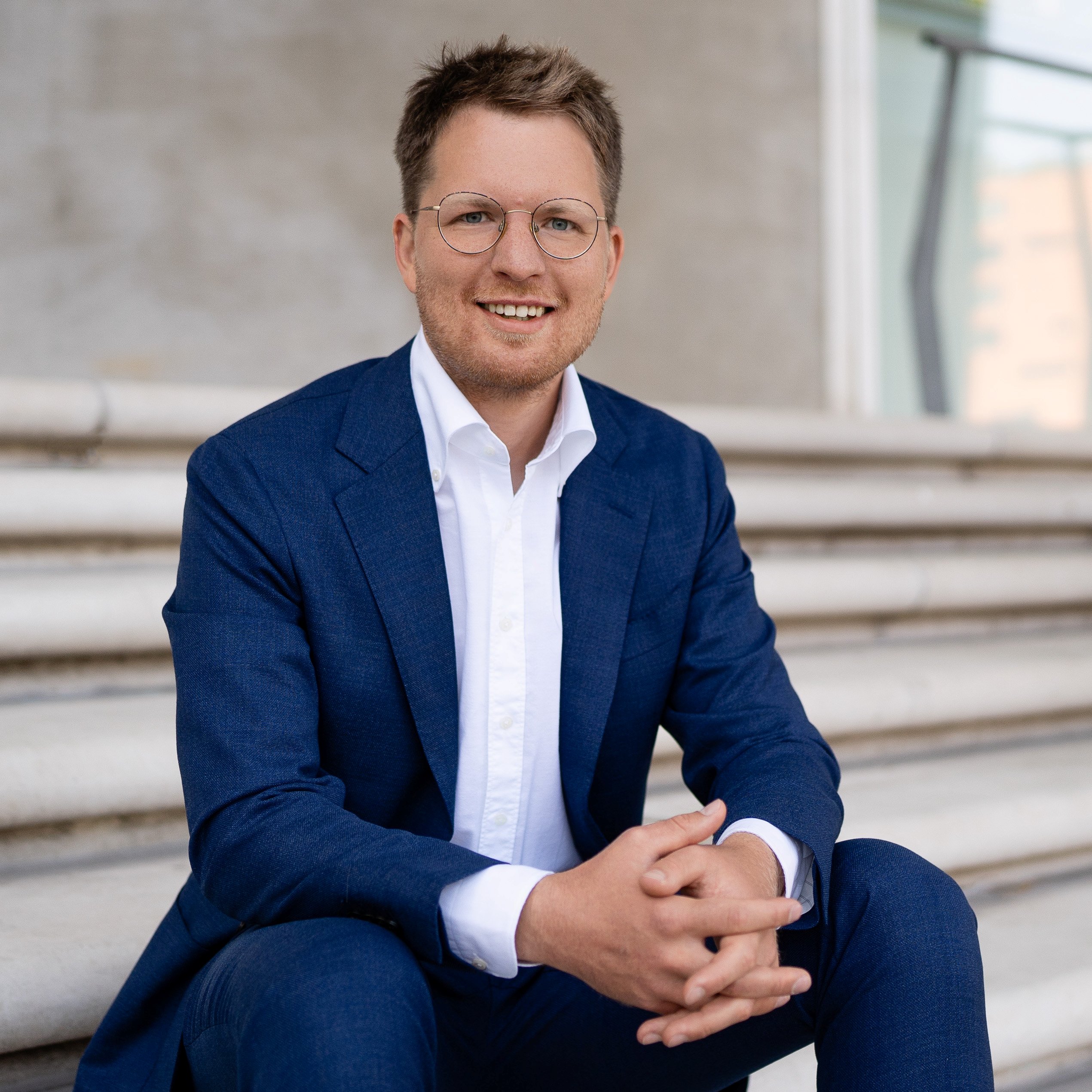
  • A man is sitting on the stairs. He is wearing a suit. His fingers are interlocked. He is looking into the camera and smiling.
    Konstantin Udert © Oliver Reetz
  • Dirk Kaftan © Irene Zandel
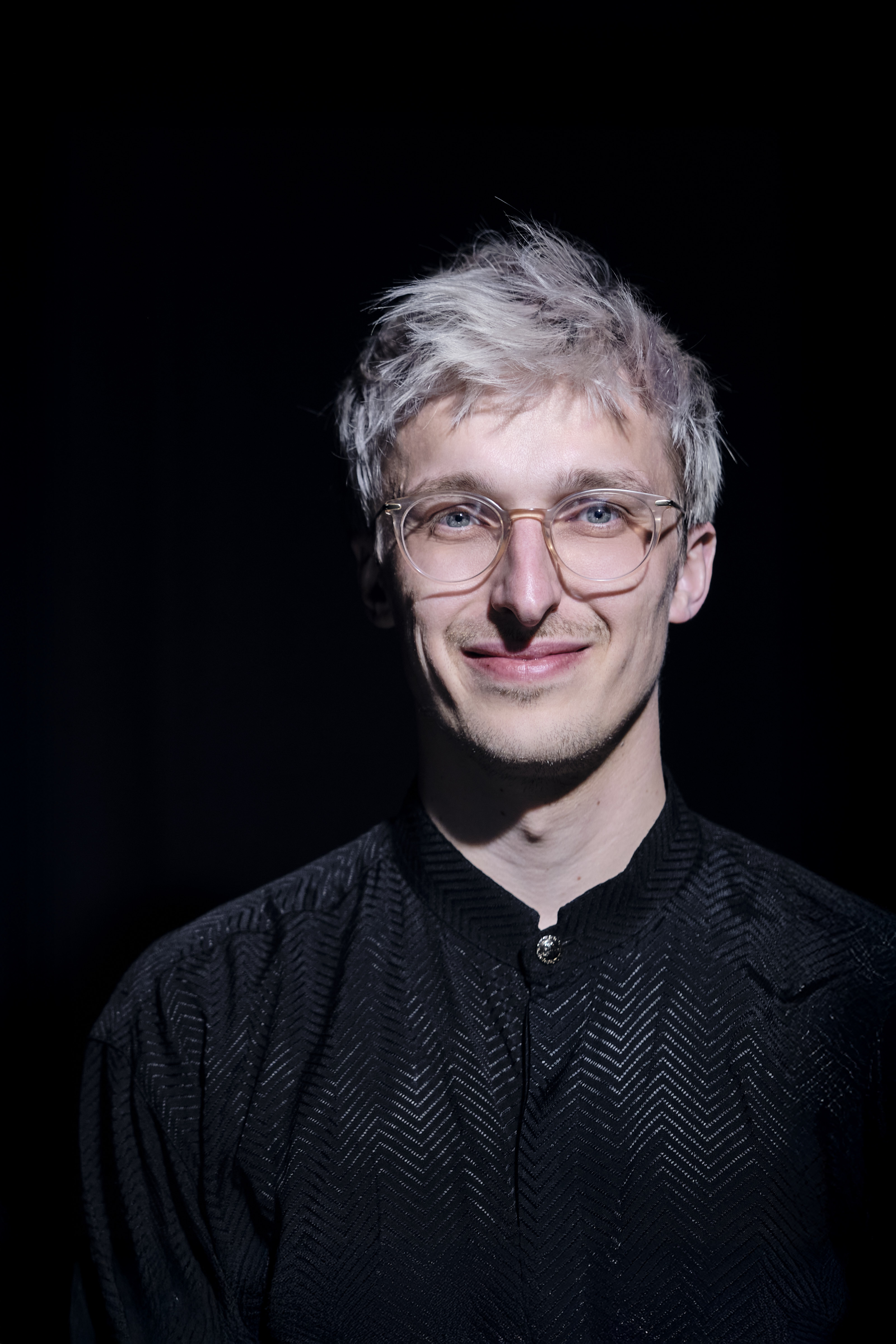
  • A man with light hair and glasses in dark clothing smiles against a dark, minimalist background.
    Joosten Ellée © Johannes Berger

»A nasty song! Fie! A political song!«

Johann Wolfgang von Goethe, Faust I, »Auerbachs Keller in Leipzig«, V. 2092
 

Regional conference as part of »tuned – Network for Contemporary Classical Music« organised by Kulturstiftung des Bundes (Federal Cultural Foundation)

Keynote speech by Maria Kalesnikava

Panel discussion with Steven Walter, Tim Achtermeyer MdL, and Katarzyna Wielga-Skolimowska

Critical Friend: Merle Krafeld (VAN Magazine)

10:00–16:30 Discussions, workshops & showcases with artists, cultural practitioners, academics & cultural policymakers from across Germany

Moderators: Leonie Reineke (music journalist) and others

Beethovenhalle: Studio, Lecture Hall, Seminar rooms B & C, Festival Salon

Please note: The conference is held in German.

The event at a glance

What can I expect?

A collaborative event bringing together Germany’s classical music scene, featuring exciting talks exploring the question of how politics and culture influence each other. And a keynote speech with Maria Kalesnikava, recently released Belarusian opposition activist and musician.

Today at the Festival Salon

10:00–16:00 Conference: Cultural Events as Political Spaces? (south wing)

Opening hours: 16:00–23:00

  • 18:00 Happy Hour – Looking for the right part
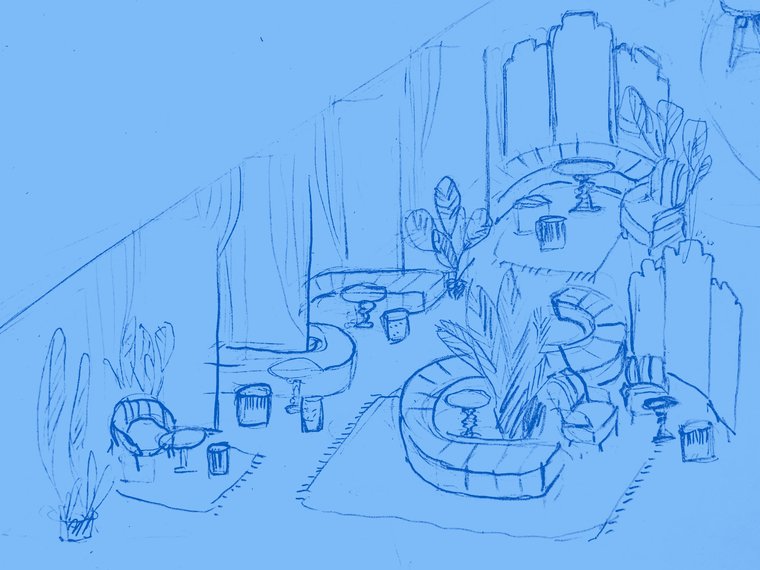
  • 19:00–20:30 Meet Your Hobby – Urban Sketchers Bonn
  • 21:30–22:30 Listening Session – with Rebekka Salomea & Marc Sinan

How political should or can cultural events be today?

This is the question posed by the Beethovenfest at a conference marking the conclusion of the four-year project »tuned – Network for Contemporary Classical Music«, funded by the Federal Cultural Foundation, which established a nationwide network of several music festivals with the aim of testing and further developing new forms of concert-giving and modes of engagement in artistic, programme and organisational terms.

We live in times of growing disregard for democratic values, the populist promotion of self-serving interests and the intensification of social inequality. These social and political upheavals are frequently addressed by contemporary artists in their works and by curators in their events, thereby often exposing themselves to fierce criticism.

What responsibility do cultural practitioners have to contribute courageously to and influence social discourse through their works and events? Artists, cultural organisers, academics, politicians and interested members of the city’s community will discuss and explore this question in various discussion and workshop formats, delving deeper into issues that have also been addressed within the tuned network in recent years.

Programme

10:00 | Greeting remarks, Steven Walter (Artistic Director Beethovenfest Bonn) and Katarzyna Wielga-Skolimowska (Artistic Director Kulturstiftung des Bundes)

10:15 | Maria Kalesnikava: »Culture is not a luxury; it is a form of resistance«

Keynote address by the Belarusian musician and civil rights activist Maria Kalesnikava
Venue: Studio, Beethovenhalle

Beethovenfest welcomes civil rights activist and musician Maria Kalesnikava, one of the most prominent voices of the Belarusian democracy movement. In December 2025, she was released after more than five years in detention in Belarus. In 2020, she was one of the leading figures in the peaceful protests for freedom and democracy, which were violently suppressed by the Lukashenko regime.

In her keynote address, Maria Kalesnikava will speak about what it means today to take a stand through culture. She is convinced that democratic states must not only promote art and culture, but also protect them. For art creates spaces for dialogue, strengthens freedom of thought and gives people a voice, even where others try to silence them. Art and culture transcend borders and connect people across political systems and social differences.

During her imprisonment, which she was at times forced to spend in complete isolation, literature and music in particular became an indispensable source of inner freedom and hope for her. Drawing on this experience, she speaks about the power of culture to preserve human dignity, facilitate dialogue and strengthen democratic values.

11:00–11:45 | Block 1, sessions I–III:

Artistic freedom and the social responsibility of art

I. Prof. Dr Dr Udo Di Fabio: »Freedom of art – the ambivalence of a concept«

Lecture by Prof. Dr Dr Udo Di Fabio (lawyer and former judge at the Federal Constitutional Court), followed by a discussion with the audience
Venue: Lecture Hall, Beethovenhalle

The renowned lawyer, university lecturer and former judge at the Federal Constitutional Court, Udo Di Fabio, will provide an overview of the limits and possibilities of artistic freedom and the political mandate of art. »Artistic freedom« is guaranteed in Article 5 of the German Basic Law and derives from freedom of expression. Artists have the freedom to engage in creative work independently of political circumstances. However, they are always dependent on these circumstances, on their material situation and also on the public.

Following the now long-past debate on anti-Semitism at the last Kassel Documenta, the discussion regarding the permissibility of political motivation in artistic creation (whether by the artists themselves or through corresponding contextualisation by cultural organisers) has reignited in recent months, for instance in the wake of pro-Palestinian rallies during the Berlinale. At the same time, there is debate over the extent to which the state may or should intervene in artistic and cultural expression – for example, the vetting of bookshops by the security services in connection with the Bookshop Prize, or – against the backdrop of Israeli policy in the Gaza Strip and the West Bank – the disinvitation of certain artists on the grounds of their Israeli origin or Jewish faith.

Udo Di Fabio examines how far artistic freedom, as enshrined in Article 5(3) of the German Basic Law, extends and must be allowed to extend, and what consequences art and culture must also accept, given that artistic freedom does not automatically entail a right to state funding. And what does the multifaceted concept of artistic freedom actually mean, given that it can be understood both as the independence of art from political influence and as the freedom to exert political influence?

Following his lecture, Udo Di Fabio will be available to answer questions from the audience.

German Basic Law, Article 5

(1) Every person shall have the right freely to express and disseminate his opinions in speech, writing and pictures and to inform himself without hindrance from generally accessible sources. Freedom of the press and freedom of reporting by means of broadcasts and films shall be guaranteed. There shall be no censorship.

(2) These rights shall find their limits in the provisions of general laws, in provisions for the protection of young persons and in the right to personal honour.

(3) Arts and sciences, research and teaching shall be free. The freedom of teaching shall not release any person from allegiance to the constitution.

II. Kay Voges & Marie-Sünje Schade: »Crisis everywhere – can art do anything, and if so, what?«

Kay Voges (Artistic Director of Schauspiel Köln) and
Marie-Sünje Schade (Artistic Manager of Ensemble Resonanz)
in conversation with Leonie Reineke
Venue: Seminar room C, Beethovenhalle

How are cultural practitioners responding, in terms of their programming, to the current political and social crises (wars, anti-democratic movements, climate change, the growing influence of AI)? Do they face particular challenges in addressing these issues for their audiences? To explore this, we have asked Kay Voges, Artistic Director of the Schauspiel Köln, to talk about the project he co-initiated, »TRUth on STage« (TRUST), which is funded by the EU and has sparked a collaboration between theatre and journalism. In partnership with eight other European theatres and the investigative network CORRECTIV, the aim is to transform high-profile investigative reports into theatre performances.

This is a very explicit way of understanding the political mandate of art, one that also provokes criticism. By contrast, the concert hall is traditionally a far less political space than the theatre. However, thanks to the diverse, interdisciplinary and genre-crossing formats of ›classical‹ music, it is now often quite successful in making this eminently public space more receptive to social debates. Marie-Sünje Schade, Artistic Director and Managing Director of Hamburg’s Ensemble Resonanz since April 2025, is convinced that music can also be used to convey humanistic attitudes and values. Many of the projects she has devised with the musicians of the grassroots-democratically organised Ensemble Resonanz address current issues and problems or indirectly provide socio-political impetus – both on stage and through other formats outside of concerts. In a discussion moderated by music journalist Leonie Reineke, the participants will explore the nature of the interface between art and politics and address questions from the audience.

III. Anselm Cybinski, Marc Sinan & Oxana Omelchuk: »A glimpse into the workshop – composers as contemporaries«

Oxana Omelchuk (composer) and Marc Sinan (composer) in conversation with Anselm Cybinski (WDR editor for new music)
Venue: Seminar room B, Beethovenhalle

What role do current political and social circumstances play in the (musical) creative process? Are the works being created a reflection of their time? In different ways, the German-Turkish-Armenian composer Marc Sinan and the Belarusian composer Oxana Omelchuk also take a stand on non-musical issues in their works. Furthermore, through her teaching role at the Cologne University of Music, Oxana Omelchuk is also very familiar with the current perspectives of the next generation of composers. In conversation with the WDR editor for new music, Anselm Cybinski, the perspective of someone who, on behalf of public service broadcasting, decides what is worthy of support and suitable for broadcast is also brought to bear.

11:45–12:00 | Coffee break

12:00–12:45 | Panel discussion: The power of music: Art in democratic and repressive societies

Katarzyna Wielga-Skolimowska Artistic Director, Federal Cultural Foundation
Tim Achtermeyer Member of the State Parliament (MdL), State Chair of the Greens in North Rhine-Westphalia, member of the Committee on Culture and Media of the North Rhine-Westphalia State Parliament (MP for Bonn in the North Rhine-Westphalia State Parliament)
Maria Kalesnikava musician and civil rights activist
Steven Walter Artistic Director, Beethovenfest Bonn
Moderator: Leonie Reineke

Venue: Lecture Hall, Beethovenhalle

This central panel discussion will use music as an example to explore the role that art and culture play in open societies and under authoritarian regimes. Against the backdrop of the freedom movement in Belarus and Maria Kalesnikava’s experiences, she will be joined in discussion – moderated by Leonie Reineke – by the Artistic Director of the Federal Cultural Foundation, Katarzyna Wielga-Skolimowska, State Chair of the Greens in North Rhine-Westphalia, Tim Achtermeyer, and the Artistic Director of the Beethovenfest, Steven Walter.

They ask whether non-political art can exist at all, given that all art is created within specific social contexts – including that of past centuries. Given that artists and cultural practitioners are products of their time, they remain dependent on their financial circumstances and public reception, even in free societies. On the other hand, works of art often cannot be pinned down to a specific message. They can be co-opted by various political positions or may also offer justified criticism of social ills.

Whilst in Belarus one puts oneself in real danger by criticising the government through artistic means, in our liberal democracy artists and cultural institutions are increasingly facing accusations of being »too left-wing« when their programmes address issues such as justice, tolerance or awareness. As a cultural organiser, how does one address the concern that taking a stance might leave one open to attack?

Where does the line lie between the need to take a stand in the cultural sphere and the freedom of culture and of the artist from political pressure?
12:45–13:45 | Lunch break

13:45–14:30 | Block 2, sessions IV–VI:

Cultural events as forums for discussion – or not?

IV. Dirk Kaftan & Tilmann Böttcher: Change and resilience

Workshop led by Dirk Kaftan (General Music Director, Beethoven Orchestra Bonn) and Tilmann Böttcher (Chief Dramaturg, Beethoven Orchestra Bonn)
Venue: Seminar room C, Beethovenhalle

Change is one of the defining themes of our time – in politics, society, the climate and culture. But how does an institution change when its very purpose is to develop identity, quality and trust over the course of decades? Taking the symphony orchestra as an example, we explore the relationship between change and continuity: what must change in order to remain relevant? And what must remain the same to make change possible in the first place? A thought experiment on the future of cultural institutions, caught between change and the power of persistence.

V. Rose Bartmer & Guido Vaněk-Preuß: Who are we doing this (not) for? The audience strikes back. – cancelled without replacement due to illness
VI. Dr Sven Sappelt: Impartial, but never neutral

Kathrin Tiedemann Artistic Director and Managing Director Forum Freies Theater Düsseldorf
Daniel Kraft Communications Director Stiftung Haus der Geschichte NRW
Moderation: Dr Sven Sappelt (Curator, Bundeskunsthalle)
Venue: Lecture Hall, Beethovenhalle

Democratic culture is never neutral; rather, it is based on specific values and norms that have been established throughout history in the face of opposition. The arts also benefit from these historical achievements – for example, in the form of artistic freedom or cultural funding, but also in terms of equal opportunities and the accountability of those in power. Even if individual cultural events do not explicitly address political issues, they therefore always take place within a specific political context and normative framework. In Germany, this context has been committed to democratic ideals since 1945. Seen in this light, accusations of bias and demands for neutrality on the part of public institutions appear to be nothing other than veiled attacks on our democratic culture. We are therefore all called upon to remain vigilant and to actively resist these attacks. In this panel, we wish to discuss what this means in concrete terms and how it can best be achieved.

14:45–15:30 | Block 3, sessions VII–IX:

Bad people have no songs – a closer look at »tuned« concert formats

VII. Joosten Ellée & Janina Rinck: PODIUM Esslingen: »HYPERMUSIK: Contemporary classical music in hyperpolitical times«

Workshop with Joosten Ellée & Janina Rinck (PODIUM Esslingen)
Venue: Seminar room C, Beethovenhalle

Between institutional expressions of solidarity, cuts to cultural budgets, and audience engagement, the window for successfully addressing sociopolitical issues in a music festival’s program seems to be narrowing. When the pressure to innovate is breathing down your neck at the same time, a creative block looms large. How can one break free artistically in this situation? How can classical music truly engage with the present? And above all: how can all of this be enjoyable for festival organizers, musicians, and the audience alike?

VIII. Lissa Meybohm, Carlotta Lipski and Marlene Unterfenger (TONALi): »Bubble tea – everyone uses water«

Workshop by and with Lissa Meybohm, Carlotta Lipski and Marlene Unterfenger (TONALi Academy students)
Venue: Festival Salon, Beethovenhalle

Posture, friction, filter bubbles: How much political debate does the art of tomorrow need?

The TONALi stage academy students invite you to a musical tea ceremony that blends discussion, performance and a ›bubble breakdown‹. Over a cup of steaming tea, we’ll talk about stance, friction and the question of how we want to engage in discussion with one another. Who is listening? Who is speaking? And who is left out? Amidst tea sayings, sound rituals and controversial conversations, we’ll step out of our bubbles and look beyond the rim of our cups.

Do come along, bring your views with you – or change them!

IX. Ursula Haselböck & Konstantin Udert: »It’s impossible not to be political.«

Workshop led by Ursula Haselböck (Artistic Director of the Mecklenburg-Vorpommern Festival) and Konstantin Udert (co-founder and Managing Director of the Detect Classic Festival)
Venue: Seminar room B, Beethovenhalle

A few days after the state elections in Mecklenburg-Western Pomerania, we will work with other participants to examine the socio-political conditions, demonstrable local impacts and real success factors of cultural work in structurally disadvantaged rural areas, using the example of an East German regional festival and a utopian combination of international acts, the alternative scene and local structures. In conclusion, we aim to formulate proposals for the development of cultural policy measures that can contribute, on a supra-regional basis, to the creation of equitable living conditions and to social cohesion.

15:45–16:30 | Conclusion:

Leonie Reineke in conversation with the event’s ›critical friend‹, Merle Krafeld (VAN Magazine)

Venue: Lecture Hall, Beethovenhalle


  • Downloads

    • More info

      • Information on the network »tuned«
      • To the concert »Nothing is Sacred«, 2.10. 17:00
      • Ticket information

    With friendly support

    Ticket Hotline +49 228 2010344 Mon, Wed–Fri, 10:00–14:00
    Subscribe to Newsletter
    • Barrier-free access
    • Contact
    • Press
    • Newsletter
    • Team
    • Jobs
    • Calls for Submissions
    • Festival archive
    • CO₂-Compensation
    • Imprint, terms & conditions, privacy
    • Declaration of compliance
    • Cookie settings
    • Deutsche Post DHL Group
    • Telekom
    • Sparkasse KölnBonn
    • Deutsch Welle
    • Stadt City Ville Bonn